
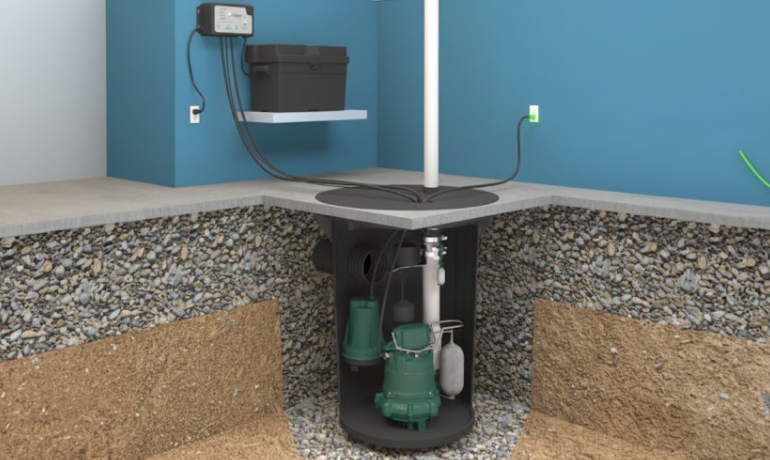
If your pump system has stopped working, is losing pressure, making noise, showing alarms or repeatedly breaking down, one of the first questions is usually: how much does pump repair cost?
Pump repair costs in the UK can vary depending on the type of pump, the fault, the parts required, access to the system and whether the work is urgent. A minor adjustment or blocked filter may be relatively inexpensive, while motor, control panel or major component repairs can cost significantly more.
This guide explains typical pump repair costs, what affects the price, and how to decide whether repairing or replacing your pump is the better long-term option.
Average Pump Repair Costs in the UK
As a general guide, minor pump repairs may cost from around £100 to £300, standard fault-finding and component repairs may fall between £300 and £800, and major pump repairs can exceed £1,000 depending on the fault and system type.
Major repairs involving motors, impellers, control panels, rewiring or hard-to-source parts may cost £800 to £2,000 or more. Emergency callouts and out-of-hours repairs can also increase the final cost.
These figures are only a guide. The most accurate way to understand the cost is to arrange a professional inspection so the fault can be diagnosed properly.
What Affects Pump Repair Cost?
Pump repair pricing depends on several factors. Two systems with similar symptoms may have very different causes, which is why proper diagnosis is important before committing to repairs.
The main cost factors include the type of pump, the severity of the fault, labour time, parts availability, site access, whether the work is urgent, and whether electrical or control panel work is required.
1. Type of Pump System
Different pump systems have different repair requirements. A small domestic booster pump is usually simpler and cheaper to repair than a larger commercial pump station, wastewater pump or multi-pump system.
Common systems include booster pumps, basement pumps, sewage pumps, drainage pumps, packaged pump stations, wastewater transfer pumps and commercial pumping systems.
Larger systems usually require more detailed fault diagnosis and may involve additional components such as control panels, alarms, float switches and non-return valves.
2. Nature of the Fault
Some faults are quick to resolve. Examples include blocked strainers, minor leaks, loose fittings, air in the system or simple valve issues.
Other faults are more expensive because they involve worn or failed components. These can include motor failure, damaged impellers, worn bearings, failed seals, electrical faults, pressure vessel failure or control panel problems.
If you are not sure what is wrong, our pump system problems guide explains the most common faults and symptoms.
3. Labour and Diagnostic Time
Some pump faults can be identified quickly, while others require a more detailed investigation. Intermittent faults, electrical issues and control problems often take longer to diagnose.
Access also affects labour time. Pumps located in restricted plant rooms, chambers, basements, below-ground tanks or hard-to-reach areas may take longer to inspect and repair.
4. Replacement Parts
Parts can make up a large part of the repair cost. Common replacement parts include seals, bearings, float switches, pressure switches, pressure vessels, impellers, non-return valves, capacitors, sensors and control components.
Older pumps may be more expensive to repair if parts are hard to source or no longer manufactured. In those cases, replacement may offer better long-term value.
5. Control Panel or Electrical Repairs
Electrical and control panel faults can increase repair costs because they require specialist diagnosis and safe repair work. Warning signs include alarms, tripping electrics, pumps not responding, random cycling, failed controls or burning smells.
If the control panel is outdated, damaged or repeatedly failing, replacement may be the more reliable option.
You may also find our pump control panel replacement cost guide useful.
6. Emergency vs Planned Repairs
Emergency pump repairs usually cost more than planned work, especially if the issue happens outside normal working hours or requires urgent attendance.
For systems where failure could cause flooding, loss of water supply, sewage issues or business disruption, emergency repair may still be necessary. However, planned maintenance is usually the cheaper way to prevent major breakdowns.
Our pump maintenance checklist explains the checks that can help reduce emergency repair risk.
Common Pump Repairs and Cost Expectations
Minor repairs such as tightening fittings, clearing simple blockages, re-priming a pump, adjusting settings or replacing small components are generally at the lower end of the cost range.
Medium repairs such as replacing seals, sensors, float switches, pressure switches, capacitors or pressure vessels usually cost more because parts and labour are involved.
Major repairs such as motor replacement, control panel repair, impeller replacement, bearing replacement or resolving repeated system faults can be significantly more expensive.
Signs You May Need Pump Repair
You may need a pump repair if you notice low pressure, no flow, repeated alarms, leaks, overheating, unusual noise, vibration, frequent on/off cycling or the pump running without moving water.
If the pump keeps turning on and off, read our short cycling guide. If the pump is running but no water is coming through, see our pump running but not pumping water guide.
Repair vs Replacement: Which Is More Cost-Effective?
Repair is often the best option when the pump is relatively new, the fault is minor, parts are readily available and the system has been reliable overall.
Replacement may be better if the pump is old, repair costs are rising, breakdowns are becoming frequent, parts are difficult to source or the system no longer meets demand.
As a rough rule, if a major repair is approaching a large proportion of the cost of replacement, it is worth comparing both options before proceeding.
For a fuller breakdown, see our pump repair vs replacement guide.
How to Reduce Pump Repair Costs
The best way to reduce pump repair costs is to catch faults early. Regular servicing, filter cleaning, leak checks, control panel review and performance testing can prevent small issues from becoming expensive repairs.
Keeping maintenance records also helps engineers identify recurring faults and recommend the most cost-effective solution.
Professional Pump Repair Quotes
A proper pump repair quote should be based on inspection, diagnosis and the likely parts required. Be cautious of trying to price complex pump faults without seeing the system, as the visible symptom may not be the root cause.
At Alton Facility Services, we provide pump fault diagnosis, pump repairs, planned maintenance and system replacement advice for domestic, commercial and wastewater pump systems.
Need a pump repair quote? Contact our team or call 01420 561661 to arrange an inspection.
How AFS would diagnose the pump fault
Pump faults are often caused by more than the pump itself. AFS would normally check the pump, floats, valves, non-return valves, control panel, electrical supply, alarm circuit, discharge pipework, chamber condition and signs of blockage or overload.
Where the system is critical, the safest route may be urgent pump station repair, planned pump servicing, or a properly specified pump installation rather than repeated temporary resets.
Repair, servicing or replacement?
A pump can often be repaired if the issue is a blockage, float fault, worn component or control issue. Replacement is more likely where the pump is badly worn, incorrectly sized, unreliable, obsolete or repeatedly failing.
For sewage and wastewater systems, AFS can also review the wider chamber, rising main and control arrangement. That matters because a new pump will not solve a poor installation, undersized rising main or failed control panel.
Useful related AFS services
Useful next pages include pump servicing, pump installation, pump station repair services, package pump stations and sewage pumps.
Need practical help with this?
For pump faults, pump station alarms, servicing, repair and replacement, AFS can check the wider system and advise whether the issue is mechanical, electrical, hydraulic or installation-related. You can call 01420 561661 or send details through the contact form.
Call AFS on 01420 561661 or send the details through for practical advice.
Contact AFSFrequently asked questions
How much does pump repair cost in the UK?
Minor pump repairs may start from around £100 to £300, while standard repairs often range from £300 to £800. Major repairs involving motors, control panels or key components can exceed £1,000.
What affects the cost of pump repair?
Cost depends on the type of pump, fault severity, labour time, parts required, access, urgency and whether electrical or control panel work is needed.
Is it cheaper to repair or replace a pump?
Repair is usually cheaper for newer pumps with minor faults. Replacement may be more cost-effective for older systems, repeated breakdowns or major component failures.
Can regular servicing reduce pump repair costs?
Yes. Regular servicing helps identify worn parts, blockages, leaks and control faults early, reducing the chance of expensive emergency repairs.
Do pump repairs need a specialist engineer?
Yes. Pump systems often include mechanical, electrical and control components, so professional diagnosis is recommended for safe and reliable repair.
Can AFS diagnose pump faults as well as replace pumps?
Yes. AFS can check the pump, floats, panel, alarms, pipework and chamber to determine whether repair, servicing or replacement is the right option.