Site assessment
We review the plant type, tank capacity, service history, access, hose distance and urgency.

Planned desludging and tanker visits for domestic, rural and commercial sewage treatment plants across Hampshire, Surrey and West Sussex.
Removing accumulated sludge at the right interval helps protect treatment performance, mechanical components and the downstream discharge system.
AFS provides sewage treatment plant emptying and desludging for homes, estates, farms, commercial sites and managed properties across Hampshire, Surrey and West Sussex.
Before attendance, we confirm the plant type, approximate capacity, tanker access, hose distance, last emptying date and whether the system is full, alarming, backing up or due for routine desludging.
Emptying removes accumulated sludge; servicing checks mechanical, electrical and biological performance. If the symptoms suggest a plant fault rather than tank capacity alone, we will explain the appropriate next step.
We review the plant type, tank capacity, service history, access, hose distance and urgency.
We explain whether the immediate need is routine desludging, tanker attendance, servicing or fault investigation.
AFS arranges the agreed tanker visit and advises on the next emptying interval or linked maintenance.
Provide photos, address, access notes and any drawings or background information.
We confirm the likely scope, whether a visit is needed and what information is missing.
We provide a quotation or arrange suitable attendance depending on the service and urgency.
Desludging and servicing protect different parts of the wastewater process.
A tanker removes accumulated sludge. A service visit checks the plant equipment and operation, which may include blowers, pumps, alarms, diffusers and accessible components.
Emptying alone will not repair a failed blower, blocked air line, pump fault or poor biological performance. Where the symptoms point to a fault, AFS can link the tanker visit with treatment plant maintenance.
There is no universal interval for every make, model and site.
The correct frequency depends on the plant model, capacity, occupancy, loading, site use and manufacturer guidance. Domestic plants, estates and commercial systems can have very different desludging requirements.
Use the plant manual plus previous emptying and service records to plan attendance. If those records are missing, send the make, model and site details so the next step can be assessed.
Identifying the system avoids arranging the wrong tanker service.
A treatment plant treats wastewater using a biological process and still needs sludge removed. A septic tank separates solids and normally drains liquid to a drainage field. A cesspit is sealed and stores all wastewater until it is tankered away.
AFS has separate guidance for septic tank emptying and cesspit emptying, while this page focuses specifically on treatment plant sludge removal.
At a property in Witley, Godalming, AFS serviced a sewage treatment plant that the customer said had recently been emptied. The blower was working, but the plant was still very sludgy, so we advised taking out another load to bring the sludge level down and support the plant's long-term performance.
Work our engineers and crews have finished recently, from our own job updates.
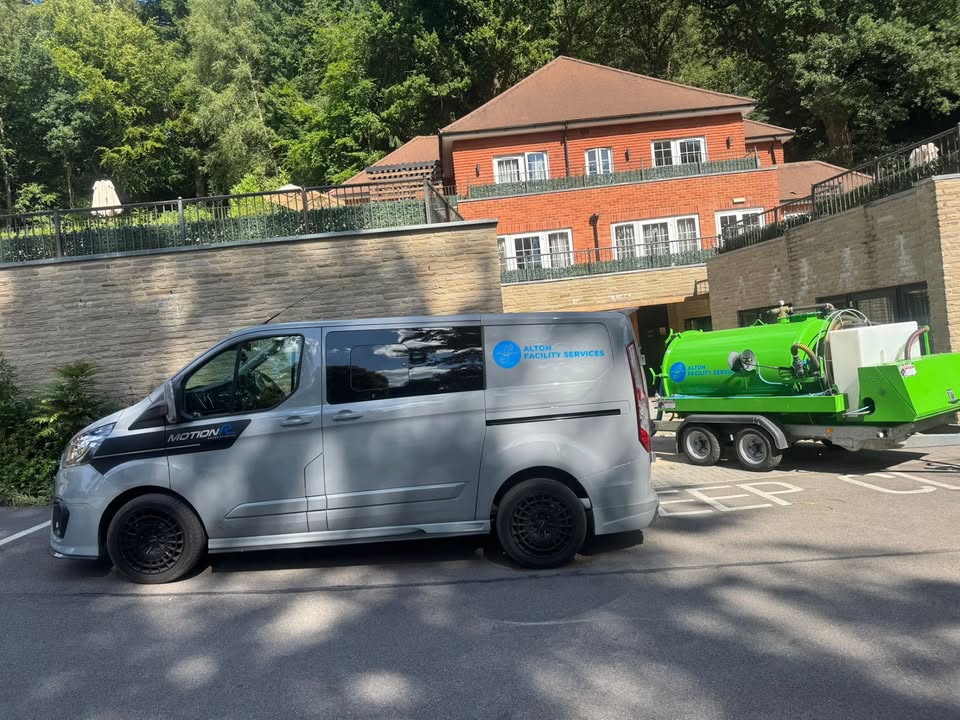 What’s Included in a Septic Tank Empty?
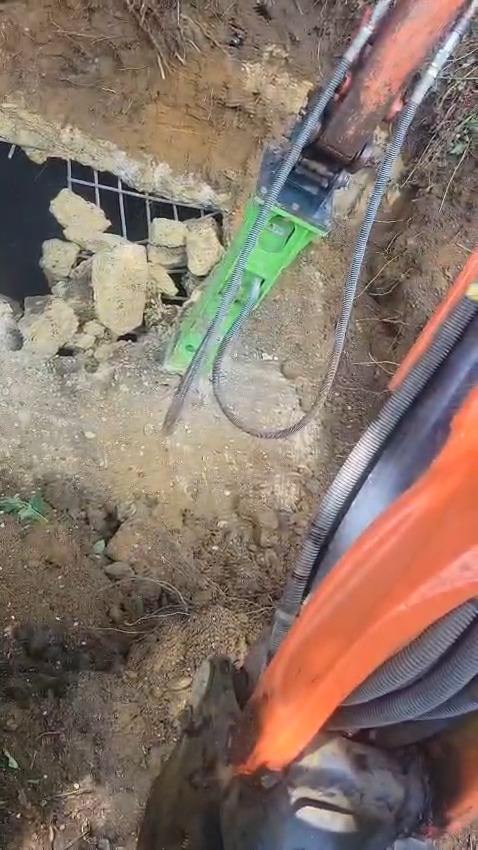 Septic tank replacement in Oxted
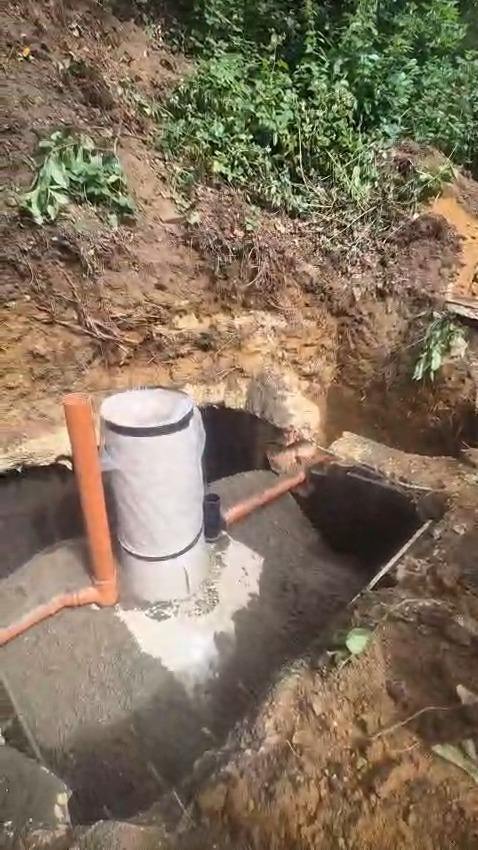 New Septic Tank Installation at Oxted Fire Station
Send the details through and a member of the AFS team will come back to you.
Follow the plant manufacturer guidance and take account of plant capacity, occupancy, loading and previous service records. The interval differs between systems and sites.
No. Emptying removes accumulated sludge. Servicing checks mechanical, electrical and biological operation. Many sites need both.
Yes. AFS supports homeowners, commercial sites, estates, developers and property managers depending on the service required.
We mainly cover Hampshire, Surrey, West Sussex, Berkshire and nearby areas from our base near Alton and Liphook.
Send the site address, plant make and model, last emptying date, approximate capacity, tanker access, hose distance and photographs where available.
Send an enquiry or call the AFS team. We’ll confirm the practical next step and whether a site visit is needed.

