Fault diagnosis
Checks for no flow, low pressure, loss of prime, repeated tripping, noise, leakage and control faults.

Fault diagnosis, repair, maintenance and replacement for pumps and controls in domestic, estate, agricultural and commercial rainwater systems.
No flow does not always mean the pump has failed. The tank level, filters, suction line, valves, controls, power supply and pressure equipment can all affect performance.
AFS diagnoses, repairs and services rainwater harvesting pumps across Hampshire, Surrey, West Sussex and nearby areas for homes, estates, farms and commercial buildings.
We assess the pump within the working system before recommending repair or replacement. This avoids selecting equipment by connection size alone when the required flow, pressure, suction conditions or controls are different.
Send the pump make and model, tank arrangement, fault symptoms, photographs and site postcode so we can determine the most useful next step.
For specialist pump work, our sister company Alton Pumps provides submersible pump repair.
Checks for no flow, low pressure, loss of prime, repeated tripping, noise, leakage and control faults.
Inspection and maintenance of accessible pumps, filters, valves, pressure equipment, level controls and connected components.
Replacement equipment selected for flow, pressure, duty pattern, tank arrangement, controls and intended water use.
Provide the site postcode, symptoms, pump label, tank level, control-panel display and clear photographs where safe.
We assess whether further information, remote checks or an engineer visit is the appropriate next step.
Accessible pump, controls, level devices, filters, valves and supply conditions are checked to isolate the fault.
We complete agreed minor work where appropriate or provide the findings and quotation for parts, repair or replacement.
A rainwater pump can stop, run without delivering water, cycle too frequently, lose pressure, make unusual noise or trip the electrical supply. These symptoms can be caused by the pump itself, but they can also originate in the tank level, inlet filter, suction line, non-return valve, pressure vessel, level controls or control panel.
Before attendance, check the tank level and any visible control-panel message without entering the tank or opening electrical equipment. The pump label and a photograph of the installation often help identify the likely arrangement.
No water at an outlet may indicate an empty tank, blocked filter, closed valve, air entering the suction pipe, loss of prime, failed level device or loss of electrical supply. Low pressure can also result from a worn pump, unsuitable pump selection, leaking pipework, a pressure-control fault or demand that exceeds the original design.
Diagnosis should establish the available water level, whether the pump starts, its operating pressure and flow, and how the controls respond before parts are ordered.
Routine maintenance can include checking accessible filters, inlets, valves, pressure vessels, pump condition, seals, control equipment, alarms, level devices and dry-run protection. The required interval depends on the equipment, water quality, operating hours and importance of the supply.
Commercial and estate systems may benefit from planned maintenance where a failed pump would interrupt irrigation, wash-down, toilet flushing or another regular non-potable demand.
Repair may be appropriate when parts are available and the pump remains suitable for the system duty. Where replacement is more practical, AFS reviews the required flow and pressure, suction or submersible arrangement, electrical supply, controls, frequency of use and the space available for installation.
A like-for-like physical fit does not always provide like-for-like performance. The selected pump also needs to work with the existing level controls, pressure controls, pipework and protective devices.
Some apparent pump faults are control faults. Level sensors, float switches, pressure controllers, contactors, inverters, alarms and mains backup equipment can prevent the pump starting or make it cycle incorrectly.
Any backup connection to the drinking-water supply must maintain the required protection against contamination and cross-connection. AFS can assess the existing arrangement and identify where specialist plumbing or electrical work is required.
An older harvesting system may need more than a replacement pump if demand has changed or the original storage and controls are no longer suitable. Upgrades can include pump and control changes, level monitoring, filtration improvements, pressure equipment and better access for maintenance.
For a new collection, tank and distribution project, visit our rainwater harvesting system installation page. If additional capacity is the priority, see water storage tank supply and installation.
AFS supports rainwater harvesting pump systems within about 50 miles of Alton; for sites more than 40 miles away we will confirm whether we can attend. Send the postcode, fault details and equipment photographs, or call 01420 561661.
Work our engineers and crews have finished recently, from our own job updates.
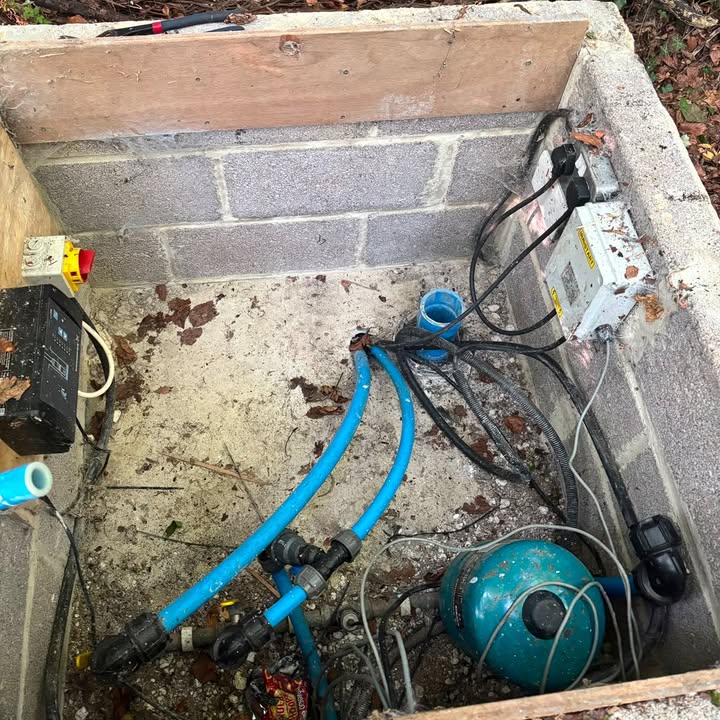 Borehole Pump Replacement in East Meon
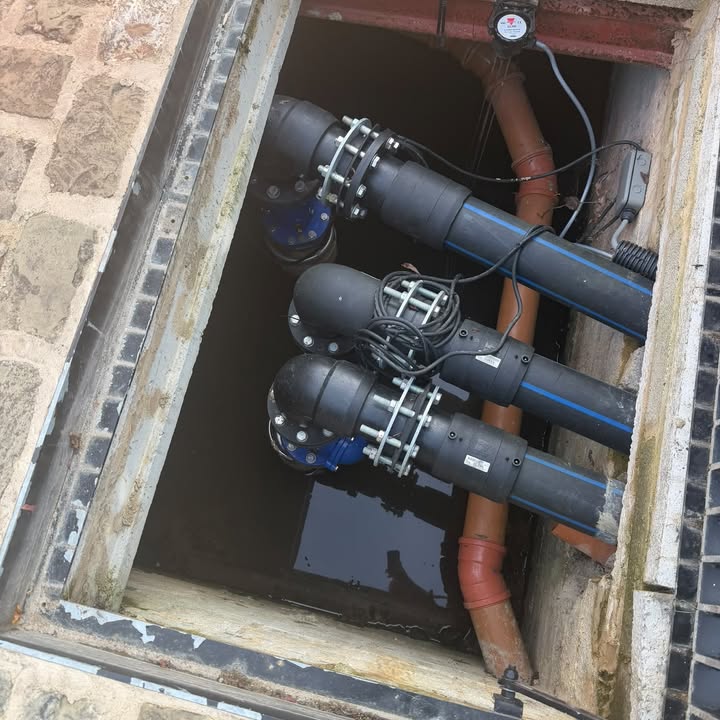 Backup Generator Flood Protection System Serviced
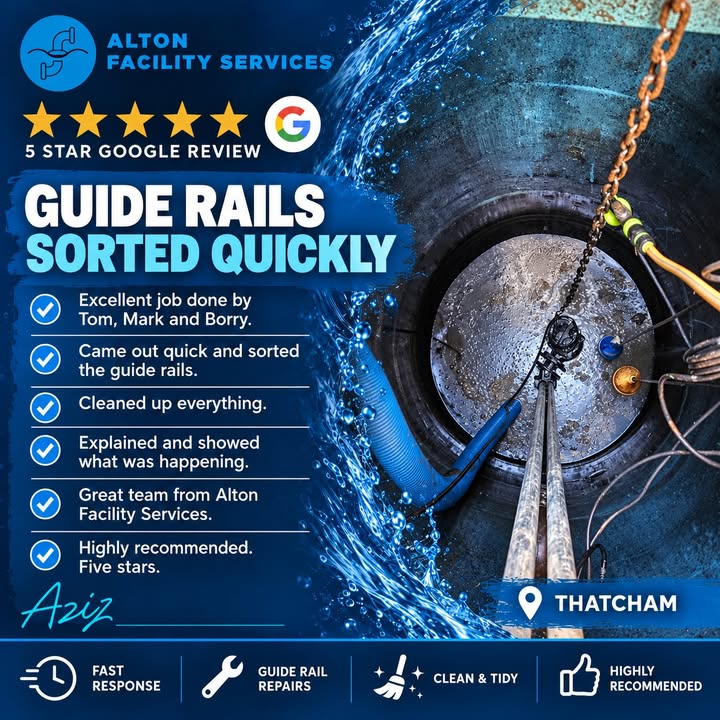 5-Star Review: Pump Guide Rails Sorted in Thatcham
We cover about 50 miles around Alton. Type the first part of your postcode and we will tell you the nearest town we cover, how far it is from Alton and whether it is inside our area.
Contains OS data © Crown copyright and database right 2026
Contains Royal Mail data © Royal Mail copyright and database right 2026
Contains National Statistics data © Crown copyright and database right 2026
Send the details through and a member of the AFS team will come back to you.
Possible causes include an empty tank, blocked filter, loss of prime, suction leak, closed valve, level-control fault, electrical problem or pump failure. Diagnosis should confirm the cause before equipment is replaced.
Yes. We can inspect accessible pumps, filters, controls, valves, pressure equipment and tank-related components, then recommend maintenance or repair.
Often yes. A suitable alternative must be selected from the required flow, pressure, duty, electrical supply, tank arrangement and control method rather than the old pump name alone.
Yes. New collection, storage and distribution projects are covered separately by our rainwater harvesting system design and installation service.
Send an enquiry or call the AFS team. We’ll confirm the practical next step and whether a site visit is needed.