Complete harvesting systems
Collection, filtration, storage, pumps, controls and suitable non-potable distribution planned as one system.

AFS designs and installs rainwater harvesting and water-storage systems across Hampshire, and supports existing pumps, filters and controls when performance drops or equipment fails.
Useful storage depends on how water enters the tank, how quickly it is used and how it will be delivered. Tank capacity alone does not determine whether a system will perform well through a dry period.
Hampshire includes dense urban areas, rural estates, farms, schools, workshops and commercial sites with very different water demands and access constraints. AFS reviews the real use, available catchment or refill source, tank location and delivery duty before recommending equipment.
For rainwater systems, roof or hard-surface catchment, filtration and overflow are considered alongside storage. For irrigation or operational reserves, the refill rate, seasonal demand and consequence of an empty tank also influence the design.
AFS is based at Unit 5B & C Passfield Mill Business Park, Mill Lane, Liphook, GU30 7QU, and normally covers projects within about 50 miles of Alton. Send the site postcode, proposed water use, estimated demand and photographs for an initial review.
Collection, filtration, storage, pumps, controls and suitable non-potable distribution planned as one system.
Above-ground or underground storage specified around capacity, access, supporting structure, inlet, outlet and overflow.
Diagnosis of no flow, low pressure, tripping and control faults, plus servicing and correctly selected replacement equipment.
Confirm the water source, intended use, daily or seasonal demand and the resilience required.
Review catchment, access, tank position, services, ground or supporting structure, pipe routes and overflow.
Set out the tank, filtration, pump duty, controls, connections and agreed installation scope.
Complete the agreed work, test filling and delivery, verify the controls and explain routine maintenance.
A complete harvesting system collects, filters, stores and distributes rainwater for suitable non-potable uses.
Domestic installations may support garden irrigation, toilet flushing, external cleaning or washing machines where the dedicated plumbing and controls are designed for that purpose.
Commercial, school, farm and estate systems may serve landscape irrigation, yard or vehicle wash-down, toilet flushing and other defined non-potable demand. Project information can include catchment drawings, occupancy or process demand, plant space, electrical supply and delivery pressure.
Storage can support irrigation and suitable operational uses when the refill source and expected demand are understood.
Above-ground tanks can simplify inspection but need adequate space, a suitable base, protected fittings and practical pipe routes. Underground tanks preserve surface space but require a site-specific excavation and installation method.
For larger or operationally important systems, level monitoring, alarms, duty and standby pumps or automatic refill controls may be appropriate. Non-potable water must remain correctly separated from drinking-water systems.
A loss of water can originate in the pump, but tank level, filters, suction pipework, valves, controls and the electrical supply can produce similar symptoms.
AFS investigates the system before recommending replacement. The pump label, tank arrangement, displayed fault, site postcode and clear photographs help determine the most useful first step.
Planned servicing can include accessible filters, pumps, pressure equipment, valves, level devices, alarms and control equipment. Replacement pumps are selected for the actual flow, pressure, duty pattern and control method.
Work our engineers and crews have finished recently, from our own job updates.
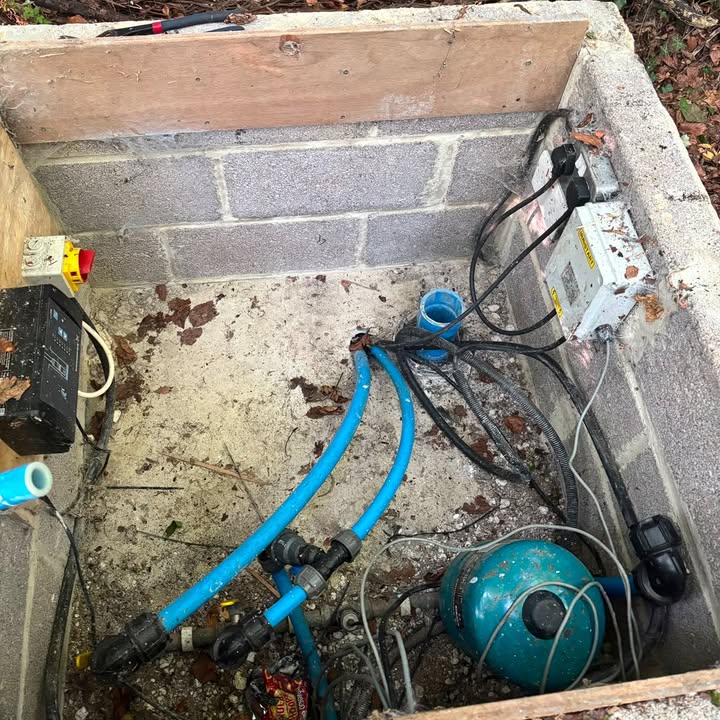 Borehole Pump Replacement in East Meon
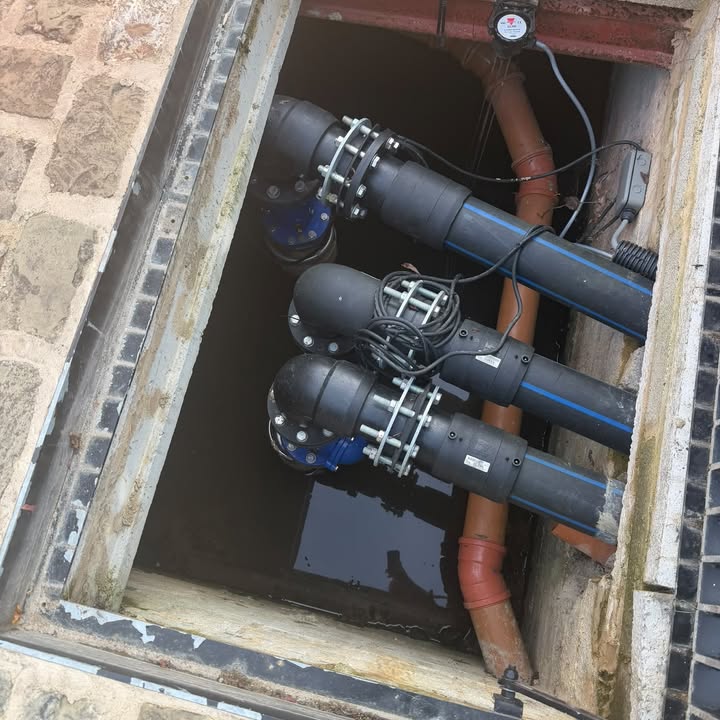 Backup Generator Flood Protection System Serviced
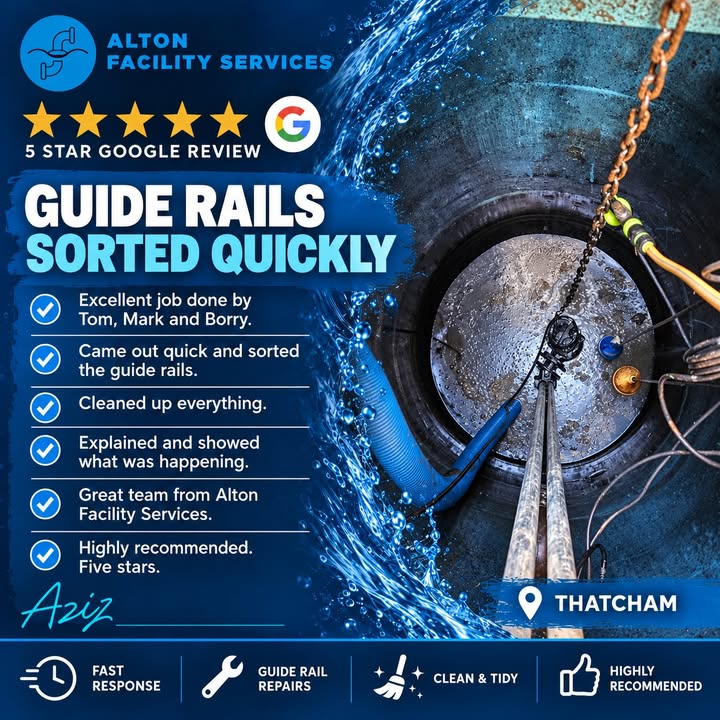 5-Star Review: Pump Guide Rails Sorted in Thatcham
Use the service overview or explore other established AFS location pages. If your town is not listed, send the postcode so coverage can be checked from Liphook.
Send the details through and a member of the AFS team will come back to you.
AFS normally works within about 50 miles of Alton, including Alton itself, Basingstoke, Winchester, Andover, Petersfield, Farnborough and surrounding areas. The postcode checker provides an initial distance indication.
Sizing depends on catchment area, rainfall, intended demand, seasonal use and the space available. A larger tank is not automatically more useful if it cannot refill or the stored water does not turn over.
Often yes. The existing inlet, overflow, pumps, controls, structure, access and pipework should be reviewed before extra capacity is specified.
Yes. AFS can diagnose pump, filter, valve, pressure and control problems and then advise on servicing, repair or replacement.
This service primarily covers non-potable uses. Drinking-water applications require purpose-designed treatment, monitoring and compliance arrangements and should be identified at the outset.
Send an enquiry or call the AFS team. We’ll confirm the practical next step and whether a site visit is needed.