Compliance upgrades
Help for non-compliant septic tanks and old private drainage systems.

AFS helps property owners upgrade old septic tanks, non-compliant discharges and failing private drainage systems to practical, compliant wastewater solutions.
If a septic tank discharges directly to a ditch, stream, watercourse or unsuitable outfall, it may need upgrading or replacing.
Alton Facility Services supports septic tank conversion and compliance upgrade projects across Hampshire, Surrey, West Sussex and surrounding rural areas.
Many older septic tanks no longer meet modern discharge expectations, especially where they discharge to a watercourse or cause pollution, odour, backing up or poor drainage field performance.
A conversion may involve replacing the septic tank with a sewage treatment plant, improving the drainage field, altering pipework, installing chambers, or adding a pump station where gravity drainage is not possible.
We focus on the practical site works: excavation, tank installation, drainage connections, pipework, chambers, reinstatement and coordination with any required specialist design or approvals.
Help for non-compliant septic tanks and old private drainage systems.
Installation of suitable treatment plants or drainage improvements where required.
We consider discharge route, access, levels, ground conditions and future maintenance.
We review the existing tank, discharge route, symptoms, access and any survey or compliance information.
We advise whether replacement, treatment plant installation, drainage field work or pumped discharge is likely.
AFS can complete agreed excavation, installation, pipework and reinstatement works.
A septic tank conversion is usually driven by compliance, failure or property change.
Common reasons include direct discharge to a ditch or stream, failed drainage field, odours, backing up, poor soakaway performance, house sale concerns, Environment Agency advice or planned property development.
The General Binding Rules mean property owners must ensure private drainage is not causing pollution and is correctly maintained. If a septic tank is unsuitable, a package sewage treatment plant or other compliant solution may be needed.
Many conversions involve replacing the old septic tank with a package treatment plant.
A sewage treatment plant treats wastewater to a higher standard than a septic tank, but it must be correctly sized, installed, powered and maintained.
The installation may also need outlet drainage, pumped discharge, new chambers, safe access, tanker access and reinstatement. We can advise on practical constraints early so the project is priced realistically.
Where the main sewer can be reached, connecting to it is another way to replace a septic tank.
At a property in Headbourne Worthy, Hampshire, AFS dug a new drain run of about 30 metres through the garden and under a wall, connected it to the main sewer, and root cut and lined the existing pipe. The old septic tank was then emptied, infilled and made good.
The Oxted project is a genuine AFS wastewater upgrade involving the old septic system, a new non-electric treatment system, discharge drainage and reinstatement.
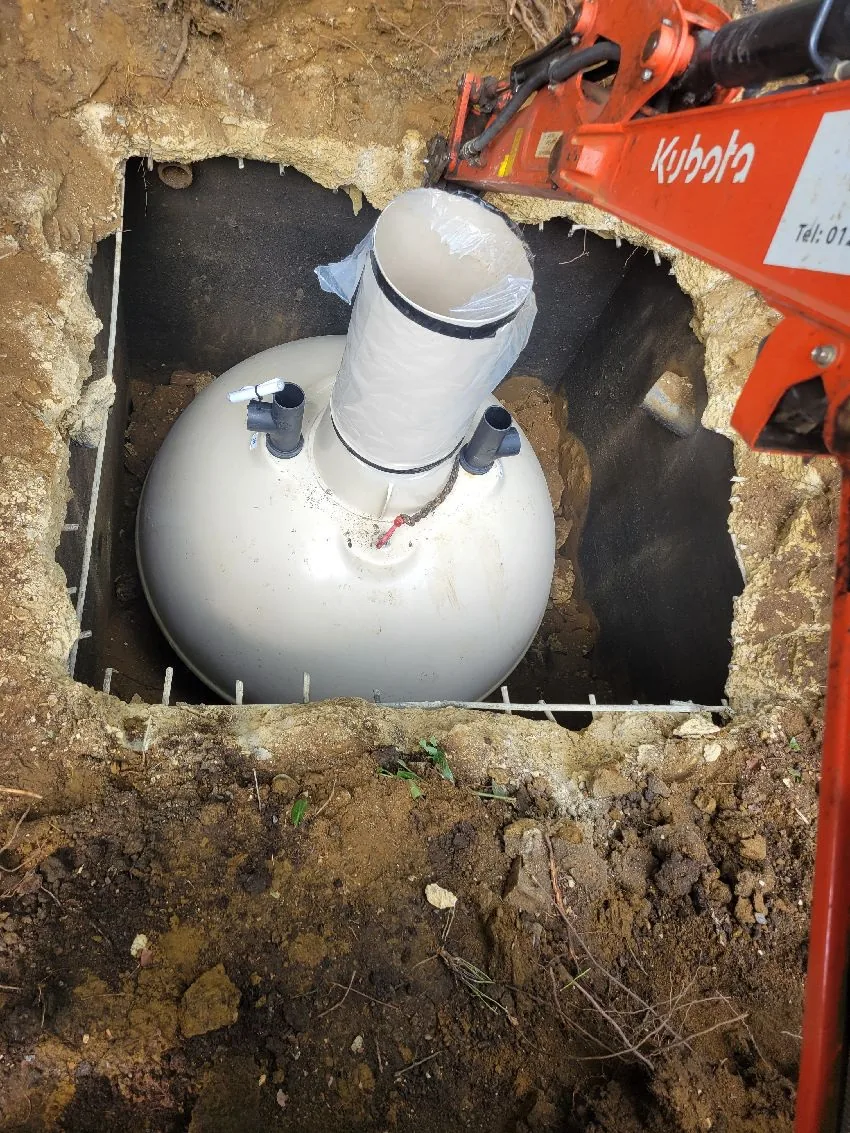 New non-electric treatment system installed at the Oxted site.
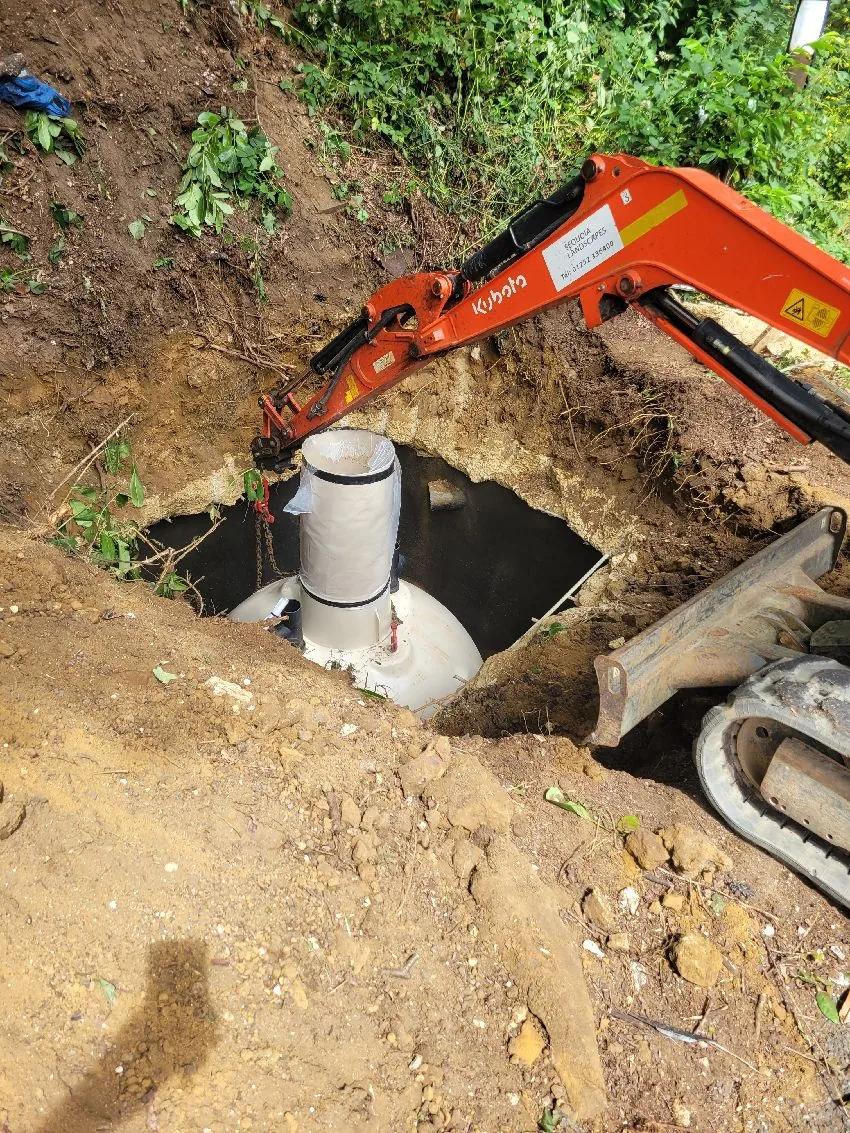 Excavation and preparation for the replacement treatment system.
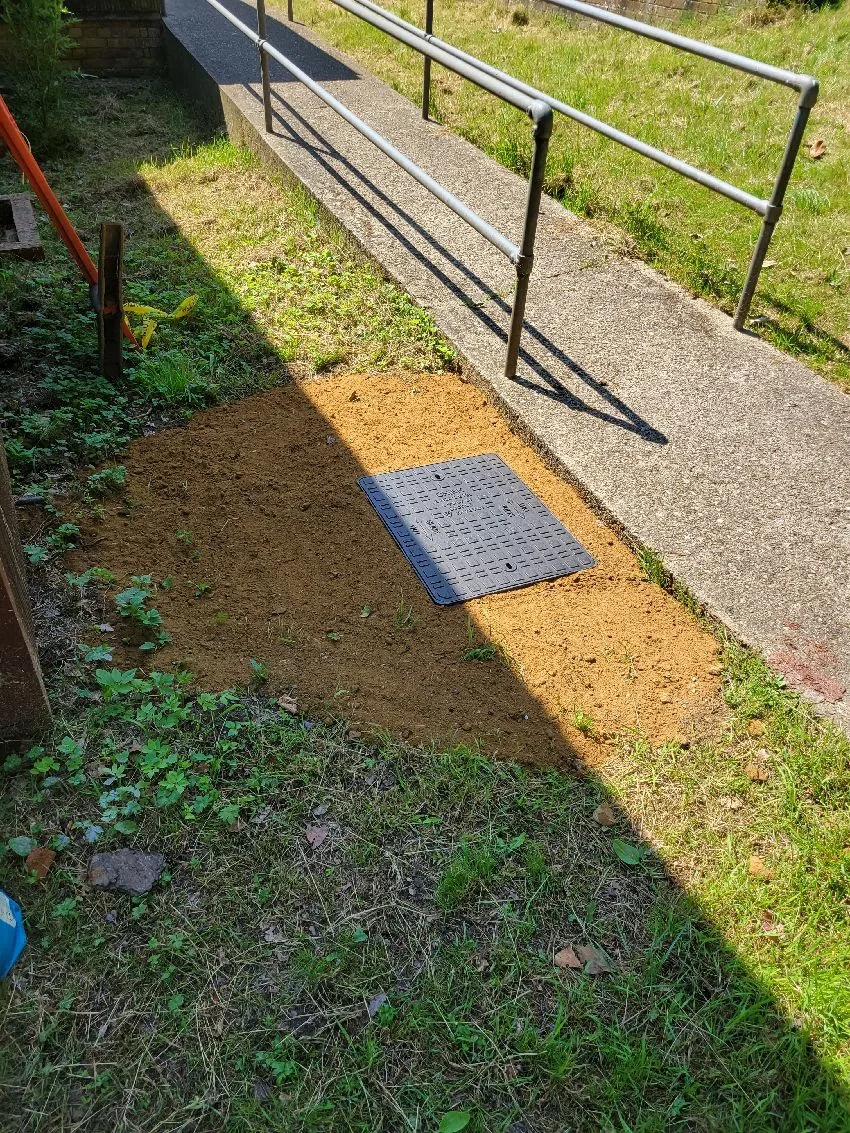 The disturbed access route was reinstated after the wastewater works.
Work our engineers and crews have finished recently, from our own job updates.
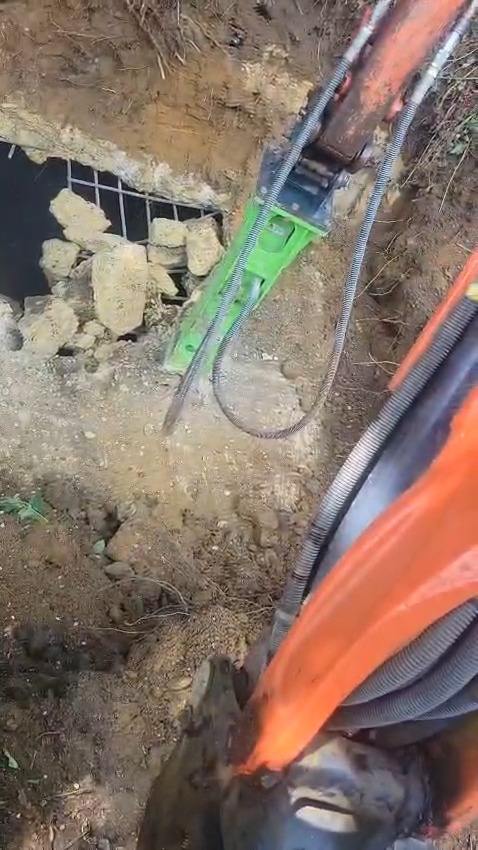 Septic tank replacement in Oxted
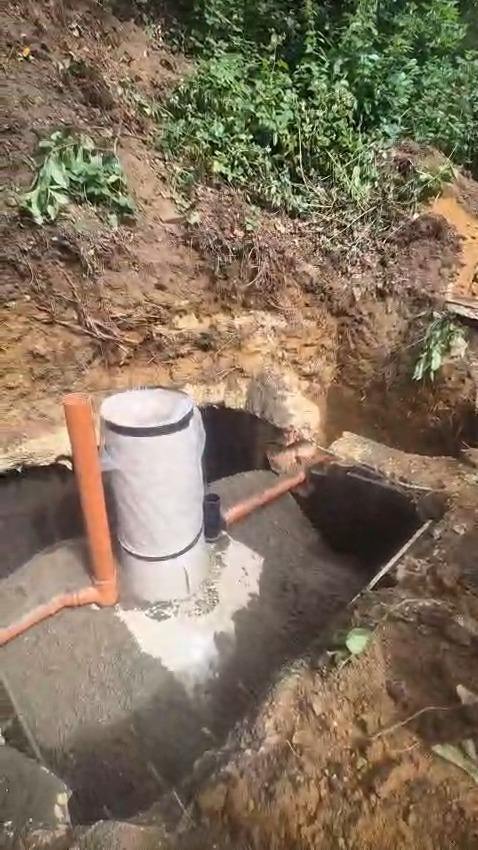 New Septic Tank Installation at Oxted Fire Station
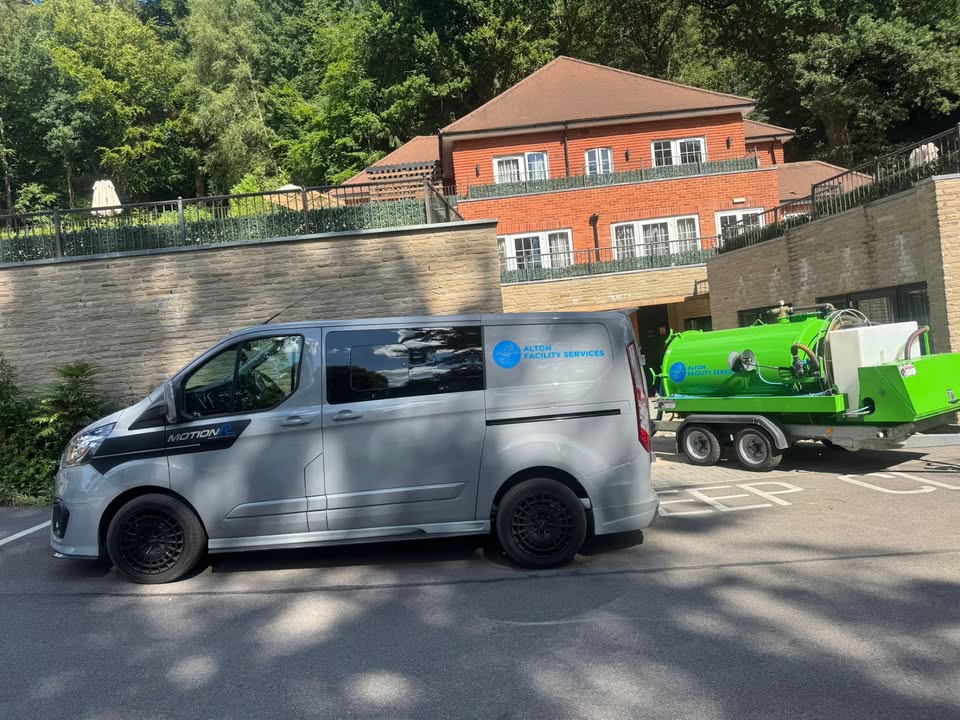 What’s Included in a Septic Tank Empty?
We cover about 50 miles around Alton. Type the first part of your postcode and we will tell you the nearest town we cover, how far it is from Alton and whether it is inside our area.
Contains OS data © Crown copyright and database right 2026
Contains Royal Mail data © Royal Mail copyright and database right 2026
Contains National Statistics data © Crown copyright and database right 2026
Send the details through and a member of the AFS team will come back to you.
Not always. It depends on discharge route, condition, compliance position and whether the system is causing pollution or failure.
Yes. AFS can support replacement of old septic tanks with suitable sewage treatment plant systems.
Yes. If gravity drainage is not possible, a package pump station may be needed to move treated or foul water.
Yes. Septic tank conversion is often needed on rural homes, farms, estates and off-mains properties.
Cost depends on whether the existing tank can form part of the solution, the replacement plant size, excavation, access, discharge route, electrical work, pipework and reinstatement. A site assessment is needed before a reliable proposal can be prepared.
Compliance depends on the discharge route, system condition, environmental risk and site circumstances. Gather any permits, installation records, emptying history and drainage plans, then arrange an assessment if the discharge or condition is uncertain.
Sometimes an existing structure or drainage arrangement can form part of an upgrade, but many properties require a correctly sized treatment plant and a compliant discharge solution. The existing system must be inspected before options are confirmed.
Send an enquiry or call the AFS team. We’ll confirm the practical next step and whether a site visit is needed.