
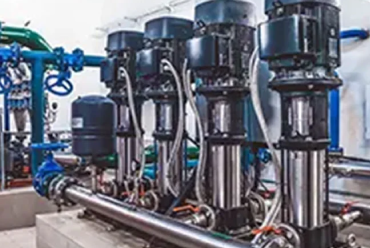
If your pump keeps turning on and off, starts and stops repeatedly, or runs for very short bursts, the system may be short cycling.
Short cycling is more than an annoyance. It can increase wear on the pump motor, waste energy, reduce system performance and lead to more expensive repairs if the underlying cause is not corrected.
This guide explains the most common reasons a pump cycles on and off, what to check, and when to arrange a professional pump inspection.
Quick Answer
A pump that keeps turning on and off is commonly caused by a faulty pressure vessel, incorrect air charge, pressure switch fault, leaking pipework, failed non-return valve, blocked filters or control system issues.
If the pump is cycling frequently, do not ignore it. Repeated starts and stops can damage the motor and shorten the life of the system.
What Is Pump Short Cycling?
Short cycling means the pump starts and stops more often than it should. Instead of running smoothly to meet demand, it repeatedly switches on, runs briefly, then switches off again.
This can happen in booster pump systems, water supply pumps, basement pumps, drainage pumps and wastewater pump systems.
If your pump is running but not moving water, read our pump running but not pumping water guide.
1. Faulty Pressure Vessel
A faulty pressure vessel is one of the most common causes of short cycling in booster pump and pressure systems.
The pressure vessel helps store pressurised water and reduce how often the pump needs to start. If the vessel has failed, lost air charge or has a damaged internal bladder, the pump may cycle rapidly.
Signs include the pump starting frequently, pressure rising and falling quickly, inconsistent flow and the system cutting in and out.
How to Fix a Pressure Vessel Fault
The pressure vessel should be inspected, tested and recharged if appropriate. If the bladder has failed or the vessel is damaged, it may need replacement.
Do not keep adjusting pressure settings without diagnosing the vessel condition, as this can mask the fault rather than fix it.
2. Incorrect Pressure Switch Settings
The pressure switch controls when the pump starts and stops. If the cut-in and cut-out settings are too close together, too high, too low or not matched to the system, the pump may cycle too often.
A worn or faulty pressure switch can also send incorrect signals, causing irregular pump operation.
How to Fix Pressure Switch Problems
The pressure switch should be checked and adjusted by someone competent to work on the system. If the switch is faulty, replacement may be needed.
Where repeated switch problems occur, the wider system should be assessed, including pressure vessel condition and pipework layout.
3. Leaks in the System
Even a small leak can cause pressure to drop, making the pump start again shortly after it has stopped.
Leaks may occur in pipework, fittings, valves, seals, toilets, tanks or downstream equipment. Some leaks are obvious, while others may be hidden.
Common signs include unexplained pressure loss, damp areas, pump cycling when no water is being used, and rising water or energy bills.
How to Fix Leak-Related Cycling
Visible leaks should be repaired promptly. If the pump cycles when no outlets are in use, the system should be checked for hidden leaks or pressure loss.
A professional engineer can isolate sections of the system to help find where the pressure is dropping.
4. Failed Non-Return Valve
A non-return valve prevents water flowing back through the system. If it fails, pressure can drop after the pump stops, causing the pump to restart repeatedly.
This can look like a pressure switch fault, but the root cause may be water escaping back through the line.
How to Fix a Non-Return Valve Fault
The non-return valve should be inspected for wear, debris, sticking or failure. Cleaning may help in some cases, but replacement is often required if the valve no longer seals correctly.
If debris is causing repeated valve problems, the system may also need filter or strainer checks.
5. Blocked Filters or Restricted Flow
Blocked filters, strainers or restrictions in the pipework can make the pump work harder and operate irregularly.
A restriction may cause pressure changes that make the pump start and stop more often than normal.
This is especially common where debris, scale, sediment or sludge enters the system.
How to Fix Restricted Flow
Filters and strainers should be cleaned or replaced as part of routine maintenance. Pipework, valves and inlets may also need inspection.
Our pump maintenance checklist covers the checks that help prevent restriction-related faults.
6. Pump or System Incorrectly Sized
If a pump is too large or too small for the system, it may not operate efficiently. Oversized pumps can satisfy demand too quickly and cycle frequently, while undersized pumps may struggle to maintain pressure.
Incorrect sizing can also increase wear and reduce pump lifespan.
How to Fix Sizing Issues
Pump sizing should be reviewed against the property demand, flow rate, pressure requirement, pipework and duty cycle.
If the system has changed since installation, a replacement or redesign may be more effective than repeated repairs.
For more background, see our pump sizing guide.
7. Control Panel or Sensor Faults
Control panels, sensors, float switches and electrical components can also cause a pump to start and stop unexpectedly.
This is more common on packaged pump stations, wastewater systems and multi-pump installations where controls manage pump operation.
Warning signs include alarms, inconsistent operation, pumps not responding correctly, tripping electrics or fault lights on the control panel.
How to Fix Control Faults
Electrical and control faults should be diagnosed by a competent engineer. The issue may be a sensor, float switch, relay, wiring fault or panel component.
If the control panel is old or unreliable, replacement may be more cost-effective than repeated repairs.
Why Short Cycling Should Not Be Ignored
Short cycling puts extra strain on the pump motor because starting is one of the most demanding parts of pump operation.
Repeated cycling can lead to overheating, worn components, higher electricity use, reduced reliability and eventual pump failure.
If the fault is not corrected, a small repair can become a much more expensive breakdown.
Repair or Replace?
If short cycling is caused by a pressure vessel, valve, switch or small component, repair may be straightforward.
If the pump is old, incorrectly sized, repeatedly failing or has several worn components, replacement may be the better long-term option.
Our pump repair vs replacement guide explains how to compare both options.
Professional Pump Inspection
Because short cycling can have several causes, proper diagnosis is important. Changing one part without identifying the root cause may not solve the problem.
At Alton Facility Services, we provide pump fault-finding, pressure system checks, repairs, maintenance and replacement advice for domestic, commercial and wastewater pump systems.
Need help with a pump that keeps turning on and off? Contact our team or call 01420 561661 to arrange an inspection.
How AFS would diagnose the pump fault
Pump faults are often caused by more than the pump itself. AFS would normally check the pump, floats, valves, non-return valves, control panel, electrical supply, alarm circuit, discharge pipework, chamber condition and signs of blockage or overload.
Where the system is critical, the safest route may be urgent pump station repair, planned pump servicing, or a properly specified pump installation rather than repeated temporary resets.
Repair, servicing or replacement?
A pump can often be repaired if the issue is a blockage, float fault, worn component or control issue. Replacement is more likely where the pump is badly worn, incorrectly sized, unreliable, obsolete or repeatedly failing.
For sewage and wastewater systems, AFS can also review the wider chamber, rising main and control arrangement. That matters because a new pump will not solve a poor installation, undersized rising main or failed control panel.
Useful related AFS services
Useful next pages include pump servicing, pump installation, pump station repair services, package pump stations and sewage pumps.
Need practical help with this?
For pump faults, pump station alarms, servicing, repair and replacement, AFS can check the wider system and advise whether the issue is mechanical, electrical, hydraulic or installation-related. You can call 01420 561661 or send details through the contact form.
Call AFS on 01420 561661 or send the details through for practical advice.
Contact AFSFrequently asked questions
Why does my pump keep turning on and off?
Common causes include a faulty pressure vessel, incorrect pressure switch settings, leaks, failed non-return valve, blocked filters, incorrect pump sizing or control system faults.
Is pump short cycling bad?
Yes. Short cycling increases motor wear, wastes energy and can lead to overheating or premature pump failure.
Can a faulty pressure vessel cause short cycling?
Yes. A failed or incorrectly charged pressure vessel is one of the most common reasons a pump starts and stops too often.
Can a leak make a pump keep starting?
Yes. A leak can cause pressure to drop, which makes the pump start again even when water is not being used.
Should I turn off a pump that is short cycling?
If it is safe to do so and the pump is cycling rapidly, switching it off can help prevent further damage until it is inspected.
Can AFS diagnose pump faults as well as replace pumps?
Yes. AFS can check the pump, floats, panel, alarms, pipework and chamber to determine whether repair, servicing or replacement is the right option.