
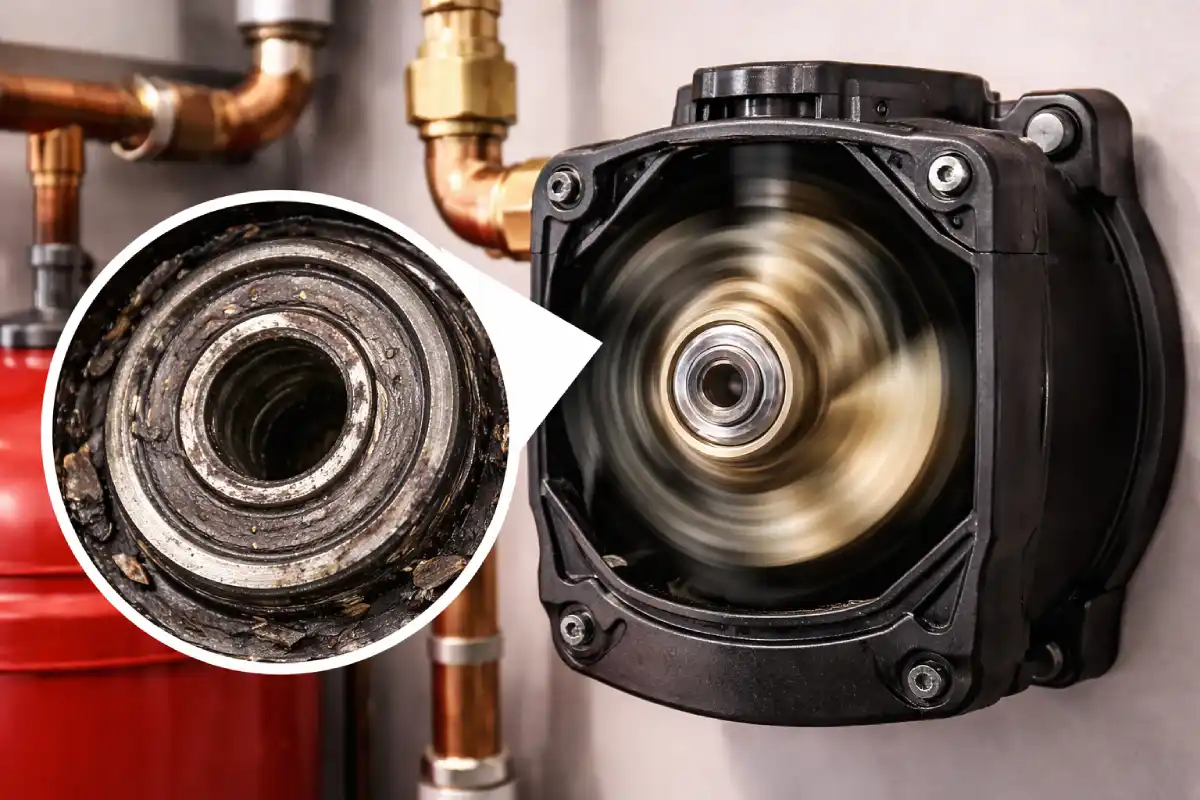
If your pump has started making unusual noises, it is usually a sign that something is not operating correctly. Whether it is a grinding sound, vibration or loud humming, ignoring it can lead to more serious and costly problems.
Understanding the cause early allows you to fix the issue before it develops into a failure. If you're experiencing ongoing faults, our pump system problems guide explains the wider causes and solutions in more detail.
What Does a Noisy Pump Sound Like?
Different noises often point to specific faults within a pump system. A grinding or rattling sound typically suggests internal wear or debris, while a constant humming noise may indicate an electrical or motor-related issue. High-pitched whining is commonly linked to worn bearings, and vibration or knocking can suggest cavitation or poor installation.
Identifying the type of noise your pump is making is one of the quickest ways to narrow down the underlying problem and determine whether it requires immediate attention.
Common Causes of Pump Noise
Pump noise is rarely random. In most cases, it develops due to mechanical wear, system inefficiencies or installation issues. These problems often start small but can quickly escalate if not addressed.
Air trapped within the system is one of the most common causes. It disrupts flow, reduces efficiency and creates irregular sounds such as gurgling or rattling. This is often accompanied by inconsistent performance and reduced output.
Loose components are another frequent issue. Over time, vibration can cause fittings, bolts or internal parts to shift, resulting in knocking or rattling noises that become more noticeable during operation. Similarly, worn bearings increase friction within the motor, producing high-pitched whining or grinding sounds that worsen as the components degrade.
For a more detailed breakdown of faults and system-wide issues, see our pump system problems guide.
Blockages, Cavitation and Installation Issues
Debris or blockages within the system can restrict flow and force the pump to work harder than intended. This added strain often leads to unusual noise and reduced efficiency. Regular maintenance is essential to prevent this build-up and keep the system operating correctly.
Cavitation is a more serious condition that occurs when air bubbles form and collapse inside the pump due to pressure imbalances. This produces loud knocking or banging sounds and can cause significant internal damage if left unresolved.
Incorrect installation is another key factor. A pump that is not properly aligned or configured may vibrate excessively or operate inefficiently from the outset, leading to ongoing noise and premature wear.
Many of these issues are part of wider system failures, which are covered in our pump system problems guide.
When Is Pump Noise a Serious Problem?
While some level of operational noise is normal, sudden changes should never be ignored. A noticeable increase in noise, a drop in system performance, overheating or excessive vibration are all warning signs that something is wrong.
If the system begins cutting out or behaving inconsistently, this may indicate a developing failure. Acting early in these situations can prevent more extensive damage and significantly reduce repair costs.
How to Prevent Pump Noise
Preventative maintenance is the most effective way to avoid noise-related issues. Regular inspections allow small problems to be identified and resolved before they escalate into more serious faults.
Keeping filters clean, removing debris from the system and checking for leaks or air ingress will help maintain consistent performance. Scheduled servicing also ensures that components are replaced before they wear out, reducing the risk of unexpected breakdowns.
Should You Repair or Replace a Noisy Pump?
The decision to repair or replace a noisy pump depends on the age of the system and the severity of the issue. Minor faults such as trapped air or loose components can usually be resolved quickly and cost-effectively.
However, if the pump is older or experiencing multiple issues, replacement may be the more practical option. Systems that require frequent repairs often become more expensive to maintain over time, making a new installation the better long-term investment.
Professional Pump Diagnosis & Repair
Pump noise is often an early warning sign of a larger issue. Addressing it promptly can prevent system failure and avoid costly downtime.
Professional diagnostics ensure that the root cause is identified accurately, allowing the correct solution to be implemented. Whether the issue requires repair, component replacement or a full system upgrade, early intervention is key to maintaining reliability.
You may also find these related guides useful:
Upgrading an outdated pump control panel
Grundfos drywell pump installation
Finding reliable pump suppliers
Drainage & pump supplier guide
Need Help With a Noisy Pump?
If your pump is making unusual noise, it is important not to ignore it. Early diagnosis can prevent further damage and reduce repair costs.
Our team provides expert pump inspections, fault-finding and repairs across Hampshire, Surrey and West Sussex.
You can also explore our full pump system problems guide to understand the wider issues affecting your system.
How AFS would diagnose the pump fault
Pump faults are often caused by more than the pump itself. AFS would normally check the pump, floats, valves, non-return valves, control panel, electrical supply, alarm circuit, discharge pipework, chamber condition and signs of blockage or overload.
Where the system is critical, the safest route may be urgent pump station repair, planned pump servicing, or a properly specified pump installation rather than repeated temporary resets.
Repair, servicing or replacement?
A pump can often be repaired if the issue is a blockage, float fault, worn component or control issue. Replacement is more likely where the pump is badly worn, incorrectly sized, unreliable, obsolete or repeatedly failing.
For sewage and wastewater systems, AFS can also review the wider chamber, rising main and control arrangement. That matters because a new pump will not solve a poor installation, undersized rising main or failed control panel.
Useful related AFS services
Useful next pages include pump servicing, pump installation, pump station repair services, package pump stations and sewage pumps.
Need practical help with this?
For pump faults, pump station alarms, servicing, repair and replacement, AFS can check the wider system and advise whether the issue is mechanical, electrical, hydraulic or installation-related. You can call 01420 561661 or send details through the contact form.
Call AFS on 01420 561661 or send the details through for practical advice.
Contact AFSFrequently asked questions
Is it normal for a pump to make noise?
Some low-level noise is normal, but loud or unusual sounds usually indicate a problem within the system.
Can a noisy pump be repaired?
Yes, many pump issues can be repaired if they are identified early and addressed correctly.
Will a noisy pump get worse over time?
In most cases, yes. Ignoring the issue can lead to further damage and potential system failure.
What is cavitation in a pump?
Cavitation occurs when air bubbles form and collapse inside the pump, creating noise and causing potential internal damage.
Can AFS diagnose pump faults as well as replace pumps?
Yes. AFS can check the pump, floats, panel, alarms, pipework and chamber to determine whether repair, servicing or replacement is the right option.