
Pump systems are designed to work reliably in the background, but when something goes wrong the impact can be immediate. Low pressure, unusual noise, repeated alarms, leaks, short cycling or a complete loss of flow can quickly disrupt homes, commercial premises and wastewater systems.
Many pump problems start small. A blocked filter, worn seal, failing pressure vessel or electrical issue may seem minor at first, but if it is ignored it can develop into a more serious and expensive fault.
This guide explains the most common pump system problems, what the symptoms usually mean, and when to arrange professional pump inspection, repair or maintenance.
Quick Answer: What Are the Most Common Pump System Problems?
The most common pump system problems include low pressure, no water flow, short cycling, unusual noise, leaks, overheating, control panel faults, blocked filters, worn components and poor system design.
Some issues can be caused by simple restrictions or air in the system. Others may indicate mechanical wear, electrical faults, failed controls or an incorrectly sized pump.
If the fault is recurring, getting worse or affecting water supply, drainage, wastewater movement or system safety, a professional diagnosis is strongly recommended.
1. Low or Inconsistent Water Pressure
Low water pressure is one of the most common signs of a pump system problem. It can affect taps, showers, commercial washrooms, process water systems and booster sets.
Possible causes include blocked filters, worn impellers, leaking pipework, incorrect pressure settings, failing pressure vessels or an undersized pump system.
If pressure drops suddenly across the property, it should be checked quickly. A sudden pressure drop can indicate a developing pump fault, a leak or a control issue.
You may also find our guide to why pump systems fail useful if pressure problems are part of a wider fault pattern.
2. Pump Running But Not Pumping Water
If the motor is running but no water is moving, the pump may have lost prime, be affected by air ingress, have a blocked suction line, or have a damaged impeller.
This problem should not be ignored. Running a pump without moving water can increase the risk of overheating, internal damage and complete system failure.
Common symptoms include no water output, gurgling sounds, air in the system, reduced suction, or the pump running continuously without achieving the correct result.
For a more detailed breakdown, read our pump running but not pumping water guide.
3. Pump Keeps Turning On and Off
A pump that repeatedly starts and stops is usually short cycling. This places unnecessary strain on the motor, controls and electrical components.
Short cycling may be caused by pressure switch problems, a failed pressure vessel, leaks in the system, restricted flow, incorrect pump sizing or control panel faults.
If left unresolved, short cycling can reduce pump lifespan and increase the likelihood of breakdowns.
Read our short cycling guide for a more focused explanation of this issue.
4. Unusual Pump Noise or Vibration
Noise is often one of the earliest warning signs of a pump problem. Grinding, rattling, banging, humming or excessive vibration can all point to different faults.
Common causes include air in the system, worn bearings, loose components, cavitation, debris, poor mounting or incorrect installation.
A sudden change in sound should be treated seriously, especially if it is accompanied by reduced performance, overheating or visible vibration.
For symptom-specific guidance, see our noisy pump guide.
5. Leaks Around the Pump or Pipework
Leaks can occur around seals, valves, unions, pipe joints, pressure vessels or connected components. Even a small leak can reduce pressure and cause the system to work harder than it should.
Leaks may also allow air into the system, causing priming issues, inconsistent flow or repeated pump starts.
Visible leaks should be repaired promptly. If water is pooling near electrical equipment, isolate the system safely where possible and arrange professional help.
6. Pump Alarms or Control Panel Faults
Modern pump systems often rely on control panels, float switches, sensors, relays and alarms. When these components fail, the pump may behave unpredictably or stop operating correctly.
Common warning signs include fault lights, repeated alarms, pumps not starting, pumps not stopping, irregular operation or complete shutdown.
Control panel issues can involve electrical safety risks, so they should be inspected by a competent engineer.
If the panel is outdated or repeatedly failing, you may need to consider repair or replacement. Our pump control panel replacement cost guide explains typical factors that affect price.
7. Blocked Filters, Strainers or Pipework
Restricted flow is a common cause of pump problems. Filters, strainers, valves and pipework can become blocked with debris, sludge, scale or other material.
This can cause poor flow, noise, pressure problems, overheating and reduced system efficiency.
Regular cleaning and maintenance can prevent many blockage-related faults. If the restriction is inside the pump body or underground pipework, professional investigation may be required.
8. Overheating or Burning Smells
Overheating is a serious warning sign. It may indicate electrical faults, motor strain, lack of flow, dry running, blocked components or internal damage.
A burning smell should never be ignored. If it is safe to do so, stop using the system and arrange urgent inspection.
Continuing to operate an overheating pump can cause further damage and may create safety risks.
9. Repeated Breakdowns or Rising Repair Costs
If your pump system keeps failing, the underlying problem may not have been fully resolved. Repeated repairs can also indicate that the system is reaching the end of its useful life.
Older pumps may suffer from multiple worn components, reduced efficiency, obsolete parts or poor reliability.
In these cases, replacement may be more cost-effective than continuing to repair the same system.
Our pump repair vs replacement guide can help you decide which option is likely to offer better long-term value.
10. Incorrect Pump Size or Poor System Design
Not every pump problem is caused by a fault inside the pump. Sometimes the issue is that the pump is not correctly sized or the wider system has not been designed properly.
An undersized pump may struggle to meet demand. An oversized pump may short cycle, waste energy and wear out faster. Poor pipework layout, incorrect settings or unsuitable controls can also cause ongoing problems.
A professional assessment should consider flow rate, pressure requirements, pipework, valves, usage levels and future demand.
Read our pump sizing guide for more information.
How to Troubleshoot Pump Problems Safely
Before arranging a callout, there are a few safe checks you can make. Check whether power is available, look for visible leaks, confirm accessible valves are open, listen for unusual noise, check whether any alarms are showing and note when the problem started.
Do not dismantle electrical components, remove pump covers or continue running a system that is overheating, leaking near electrics or failing to move water.
Giving an engineer clear information about the symptoms can make diagnosis faster and help reduce unnecessary disruption.
When Should You Call a Pump Engineer?
You should call a professional if the pump has stopped working, is overheating, has electrical faults, is repeatedly short cycling, is making loud noises, is leaking, or is affecting water supply, drainage or wastewater movement.
You should also seek help if the same problem keeps returning after basic checks. Recurring issues usually mean there is an underlying fault that needs proper diagnosis.
Alton Facility Services provides pump inspection, diagnosis, repair, maintenance and replacement support across Hampshire, Surrey, West Sussex and the wider South East.
Professional Pump Fault Diagnosis and Repair
Accurate diagnosis is the key to solving pump problems properly. Replacing parts without identifying the root cause can lead to repeated faults and unnecessary cost.
Our engineers can inspect the pump, controls, pressure system, pipework and connected components to identify the cause and recommend the most suitable repair or replacement option.
If your pump system is noisy, unreliable, leaking, short cycling or not moving water correctly, arrange an inspection before the issue develops into a full breakdown.
How AFS would diagnose the pump fault
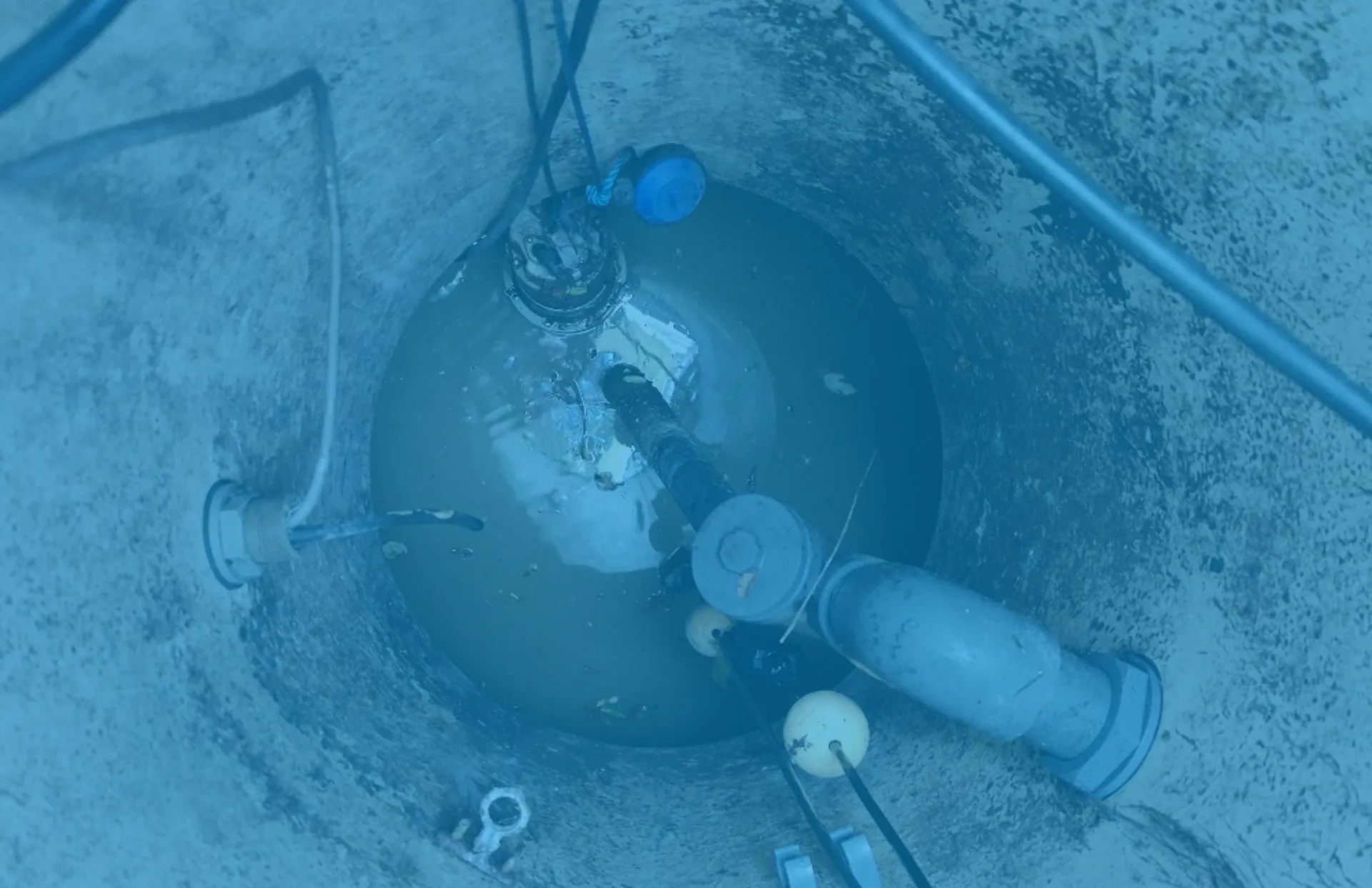
Pump faults are often caused by more than the pump itself. AFS would normally check the pump, floats, valves, non-return valves, control panel, electrical supply, alarm circuit, discharge pipework, chamber condition and signs of blockage or overload.
Where the system is critical, the safest route may be urgent pump station repair, planned pump servicing, or a properly specified pump installation rather than repeated temporary resets.
Repair, servicing or replacement?
A pump can often be repaired if the issue is a blockage, float fault, worn component or control issue. Replacement is more likely where the pump is badly worn, incorrectly sized, unreliable, obsolete or repeatedly failing.
For sewage and wastewater systems, AFS can also review the wider chamber, rising main and control arrangement. That matters because a new pump will not solve a poor installation, undersized rising main or failed control panel.
Useful related AFS services
Useful next pages include pump servicing, pump installation, pump station repair services, package pump stations and sewage pumps.
Need practical help with this?
For pump faults, pump station alarms, servicing, repair and replacement, AFS can check the wider system and advise whether the issue is mechanical, electrical, hydraulic or installation-related. You can call 01420 561661 or send details through the contact form.
Call AFS on 01420 561661 or send the details through for practical advice.
Contact AFSFrequently asked questions
What are the most common pump system problems?
Common pump system problems include low pressure, no water flow, short cycling, unusual noise, leaks, overheating, control panel faults, blocked filters and worn components.
Why is my pump running but not pumping water?
This is often caused by loss of prime, air leaks, blocked suction pipework, closed valves or a damaged impeller. The system should be checked promptly to avoid further damage.
Why does my pump keep turning on and off?
Frequent on and off cycling is usually caused by pressure switch faults, leaks, a failed pressure vessel, restricted flow or incorrect pump sizing.
Can pump problems be fixed without replacing the pump?
Yes. Many pump problems can be repaired if diagnosed early. However, older systems with repeated faults may be more economical to replace.
When should I call a pump engineer?
You should call an engineer if the pump has stopped working, is overheating, leaking, making loud noises, showing alarms, or repeatedly failing after basic checks.
How can I prevent pump system problems?
Regular servicing, cleaning filters, checking for leaks, monitoring pressure and dealing with small faults early can help prevent major pump system problems.
Can AFS diagnose pump faults as well as replace pumps?
Yes. AFS can check the pump, floats, panel, alarms, pipework and chamber to determine whether repair, servicing or replacement is the right option.