
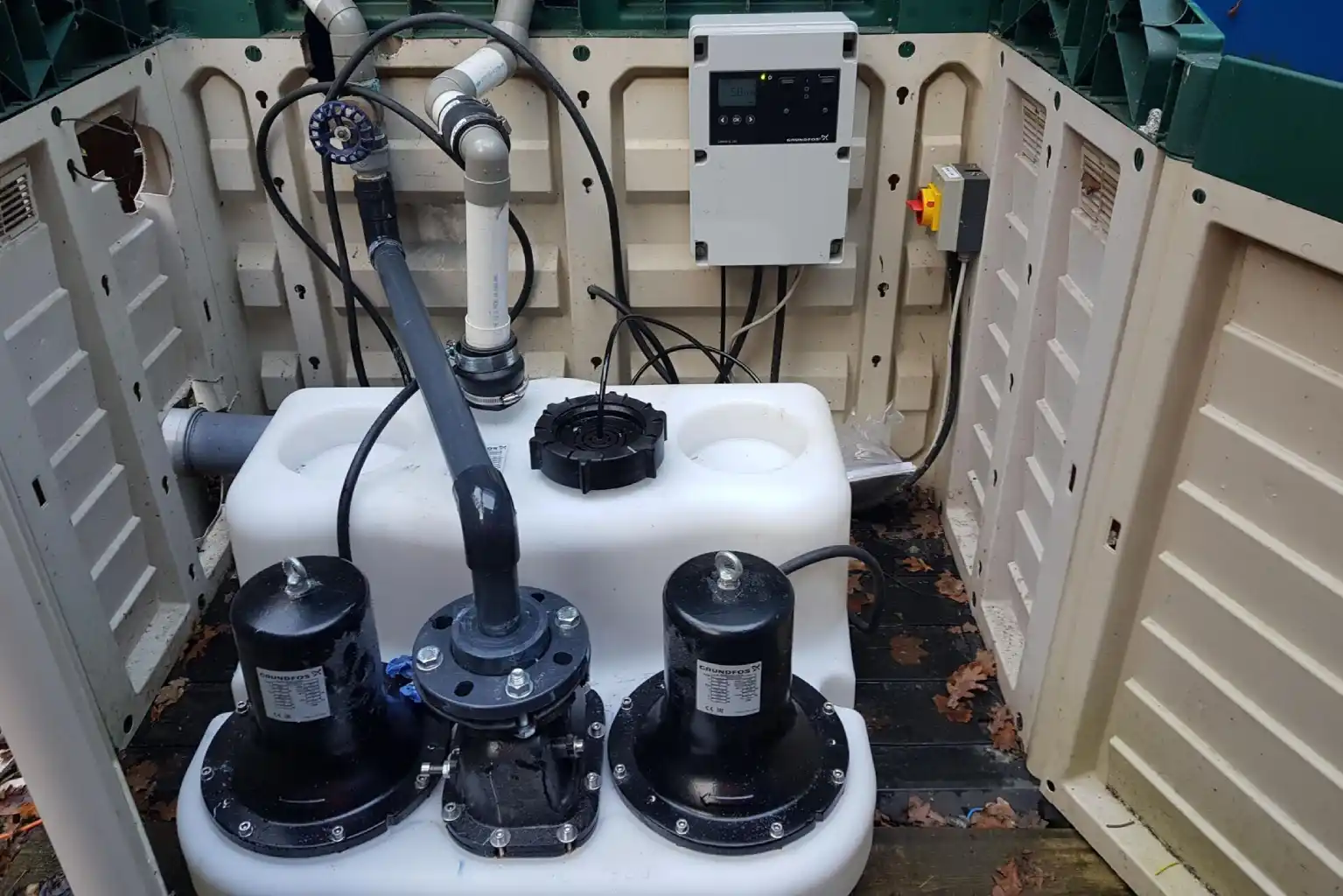
If your pump system has stopped working, keeps cutting out, is making unusual noise, or is no longer delivering the performance you expect, it is usually a sign that something within the system is under strain.
Pump systems rarely fail without warning. In many cases, there are early signs such as reduced pressure, unusual noise, short cycling, alarms, leaks or inconsistent operation. Acting early can often prevent a small fault from becoming a costly breakdown.
This guide explains the most common reasons pump systems fail, what symptoms to look out for, and when to call a professional pump engineer.
Quick Answer: Why Do Pump Systems Fail?
Pump systems commonly fail because of worn components, blockages, air in the system, electrical faults, control panel issues, poor maintenance, incorrect sizing or installation problems.
Regular servicing and early fault diagnosis are the best ways to prevent major pump failure. If a pump is noisy, short cycling, overheating, leaking or running without moving water, the issue should be investigated before further damage occurs.
Common Signs Your Pump System Is Failing
You may have a pump system fault if you notice low or inconsistent water pressure, unusual noise, vibration, leaks, system alarms, overheating, burning smells, complete shutdown or repeated faults.
Another common warning sign is a pump that runs but does not move water, or a pump that turns on and off repeatedly. These symptoms often point to pressure, control, air, blockage or sizing issues.
Some of these issues may appear minor at first, but they can quickly lead to serious damage if ignored.
1. Lack of Regular Maintenance
One of the most common reasons pump systems fail is lack of servicing. Over time, pumps naturally experience wear. Filters can become dirty, seals can deteriorate, strainers can clog and electrical components can weaken.
Without regular inspection, these issues may go unnoticed until the system fails. Maintenance-related problems can include blocked filters, worn seals, loose components, sludge build-up, undetected leaks and failing float switches or sensors.
The best way to reduce the risk is to arrange routine pump servicing. A professional pump maintenance visit should check performance, electrical components, valves, controls, filters, seals, pipework and signs of wear.
You can learn more in our pump maintenance checklist.
2. Blockages or Restricted Flow
A pump needs clear flow through the system to operate correctly. If pipework, filters, valves or strainers become restricted, the pump may have to work harder than intended.
This can cause poor performance, overheating, noise and eventually complete failure. Symptoms may include reduced water output, longer running time, pressure issues, straining sounds or frequent shutdowns.
Filters, strainers, pipework and accessible valves should be checked and cleaned. If the blockage is deeper within the system, professional inspection may be needed to avoid further damage.
3. Air in the System
Air trapped in a pump system can affect suction, flow, pressure and overall performance. In some cases, air can prevent the pump from moving water properly.
This is especially common after maintenance work, draining down, leaks or issues on the suction side of the system. Symptoms can include gurgling sounds, intermittent flow, reduced pressure, irregular operation or a pump running without pumping water.
The system may need to be bled or re-primed. If air keeps returning, there may be a leak, damaged seal or installation issue that needs professional diagnosis.
For more detail, read our guide on why your pump is running but not pumping water.
4. Worn Bearings, Seals or Mechanical Components
Pump systems contain moving parts that wear over time. Bearings, seals, impellers and internal components are all subject to mechanical stress.
When these parts begin to fail, the pump may become noisy, inefficient or unreliable. Common symptoms include grinding or whining noises, vibration, leaking seals, overheating, reduced efficiency and poor water movement.
Worn parts may need replacing. If the pump is older or has several failing components, full replacement may be more cost-effective than repeated repairs.
If you are unsure whether repair is worthwhile, see our pump repair vs pump replacement guide.
5. Electrical Faults
Pump systems rely on safe and reliable electrical connections. Faults with wiring, motors, relays, sensors or control equipment can stop the system working correctly.
Electrical faults should always be treated seriously, especially if there are burning smells, repeated tripping or signs of overheating.
Symptoms can include a pump not starting, stopping unexpectedly, burning smells, intermittent operation, tripped electrics or control panel warnings. Electrical faults should be inspected by a qualified professional.
6. Control Panel Problems
The control panel manages how the pump system starts, stops, responds to pressure, handles alarms and protects equipment. If the control panel fails, the pumps may behave unpredictably or stop working altogether.
Common control panel issues include fault alarms, pumps not responding, incorrect sequencing, intermittent operation, failed relays or outdated components.
A control panel inspection can identify whether the issue can be repaired or whether replacement is needed.
For cost guidance, read our pump control panel replacement cost guide.
7. Incorrect Pump Sizing
A pump that is too small may struggle to meet demand. A pump that is too large may cycle too frequently, waste energy and wear out prematurely.
Incorrect sizing is a common cause of ongoing performance issues. Symptoms can include inconsistent pressure, short cycling, excessive noise, high energy use, poor performance at peak demand or repeated breakdowns.
The system should be assessed properly, including flow rate, pressure requirements, pipework layout, number of outlets and demand levels.
You can also read our pump sizing guide.
8. Poor Installation or System Design
Even a good-quality pump can fail if the system has been poorly designed or installed. Pipework layout, mounting, alignment, pressure settings, valve positions and control setup all affect performance.
Installation-related issues often show up from the start or shortly after installation. Symptoms may include constant vibration, noise from first use, pipework movement, pressure problems or premature component wear.
A professional system assessment may be needed to check layout, pipework, controls, mounting, sizing and operating conditions.
9. Pump Short Cycling
Short cycling is when a pump turns on and off repeatedly in quick succession. This puts strain on the motor and components, increasing the risk of failure.
Common causes include a faulty pressure switch, failed pressure vessel, leaks in the system, incorrect pump sizing, control faults or blocked filters and pipework.
Short cycling should not be ignored, as it can quickly shorten the life of the pump.
Read our guide on why your pump keeps turning on and off.
10. Age and Repeated Repairs
All pump systems have a working lifespan. If your system is over 8 to 10 years old and repairs are becoming frequent, it may be more economical to replace the pump or upgrade the system.
Signs that age may be the issue include frequent breakdowns, rising repair costs, poor efficiency, reduced performance, multiple components failing or parts becoming difficult to source.
A pump engineer can assess whether repair or replacement offers the best long-term value.
When Is Pump Failure Urgent?
You should arrange urgent professional help if the pump has stopped completely, there is a risk of flooding, water supply is affected, you notice burning smells, the system is overheating, wastewater is involved, alarms are active or the problem is getting worse quickly.
Continuing to run a failing pump can increase the cost of repair and may cause further damage.
How to Prevent Pump System Failure
The best way to prevent pump failure is to maintain the system before problems become serious. Schedule regular servicing, clean filters and strainers, check for leaks and air ingress, monitor pressure and flow, investigate unusual noise early and do not ignore alarms.
Replacing worn parts before failure, keeping service records and arranging professional inspection for repeated faults can all help reduce breakdown risk.
Professional Pump Inspection and Repair
At Alton Facility Services, we help diagnose, repair, maintain and replace pump systems for domestic, commercial and industrial customers.
Our pump services include pump inspections, fault-finding, diagnostics, repairs, control panel checks, component replacement, servicing, maintenance, upgrades and emergency support where required.
If your pump system is showing signs of failure, early diagnosis can prevent more serious damage.
Call 01420 561661 or request a callback online.
How AFS would diagnose the pump fault
Pump faults are often caused by more than the pump itself. AFS would normally check the pump, floats, valves, non-return valves, control panel, electrical supply, alarm circuit, discharge pipework, chamber condition and signs of blockage or overload.
Where the system is critical, the safest route may be urgent pump station repair, planned pump servicing, or a properly specified pump installation rather than repeated temporary resets.
Repair, servicing or replacement?
A pump can often be repaired if the issue is a blockage, float fault, worn component or control issue. Replacement is more likely where the pump is badly worn, incorrectly sized, unreliable, obsolete or repeatedly failing.
For sewage and wastewater systems, AFS can also review the wider chamber, rising main and control arrangement. That matters because a new pump will not solve a poor installation, undersized rising main or failed control panel.
Useful related AFS services
Useful next pages include pump servicing, pump installation, pump station repair services, package pump stations and sewage pumps.
Need practical help with this?
For pump faults, pump station alarms, servicing, repair and replacement, AFS can check the wider system and advise whether the issue is mechanical, electrical, hydraulic or installation-related. You can call 01420 561661 or send details through the contact form.
Call AFS on 01420 561661 or send the details through for practical advice.
Contact AFSFrequently asked questions
Why do pump systems fail?
Pump systems usually fail because of worn components, blockages, electrical faults, control issues, lack of maintenance, air in the system or incorrect sizing.
Can a failing pump be repaired?
Yes, many pump faults can be repaired if caught early. However, older systems with repeated faults may be more cost-effective to replace.
How do I know if my pump is failing?
Common warning signs include unusual noise, low pressure, leaks, short cycling, alarms, overheating or the pump running without moving water.
How often should a pump system be serviced?
Most domestic systems should be serviced at least once a year. Commercial, high-use or critical systems may need servicing every six months or quarterly.
Is pump failure an emergency?
It can be. If there is flooding, loss of water supply, wastewater involvement, burning smells, overheating or complete system failure, you should seek urgent professional help.
Can AFS diagnose pump faults as well as replace pumps?
Yes. AFS can check the pump, floats, panel, alarms, pipework and chamber to determine whether repair, servicing or replacement is the right option.