Get 10% Off Your First Order - Quote AFS10WS when you enquire by email or telephone. New customers only. First order only. Maximum discount £500. Terms apply.
Request a Quote
02 Apr, 2025 Understanding Sewage Systems

Practical AFS Guidance

This article is part of the Alton Facility Services advice library for drainage, pump, sewage and wastewater systems. It is intended to help property owners, landlords, facilities managers and commercial sites understand common faults, maintenance needs and the point at which specialist attendance is sensible.

If the issue is urgent, involves backing up drainage, a pump alarm, wastewater overflow, foul smells or a failed treatment system, call 0808 196 6005 for direct support from the AFS team.

Understanding Sewage Systems – A Homeowner’s Guide

A simple breakdown of how sewage systems work, the signs of problems, and how to keep everything flowing smoothly at home.

How Do Sewage Systems Work?

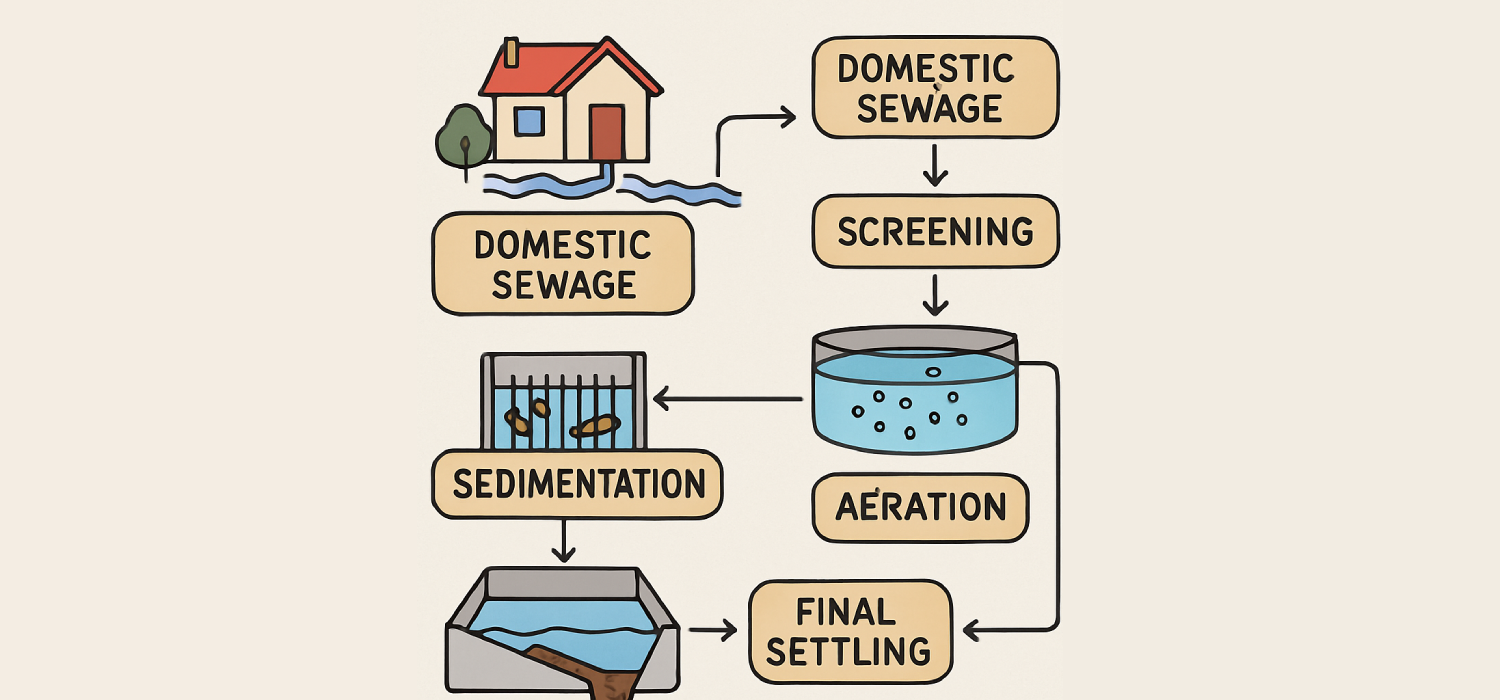
Most homes in the UK are connected to a main sewer line, which transports wastewater away from your property to a treatment facility. If your property isn’t connected to the mains, you might rely on a private sewage system such as a septic tank or sewage treatment plant.

Before installing or upgrading a system, it’s crucial to understand the legal requirements involved. In the UK, certain systems may require a permit depending on discharge volume, location, and environmental sensitivity. You can find detailed guidance on this from the UK Government's official septic tank permit guide.

Common Types of Sewage Systems

The three most common domestic systems are mains drainage, septic tanks, and sewage treatment plants. Each has different maintenance needs. While mains connections are mostly hands-off, private systems require routine checks and occasional emptying or repairs.

Signs of a Sewage Problem

If you notice slow drains, foul smells, gurgling pipes, or damp patches in your garden, it could point to a blockage or leak in your system. Don’t ignore these signs — early action can prevent serious damage or contamination.

Maintaining a Healthy System

Never flush items like wet wipes, fats, oils, or sanitary products down the drain. These are major culprits for blockages. If you have a septic tank or treatment plant, schedule regular emptying and inspections as recommended by the manufacturer.

When to Call a Professional

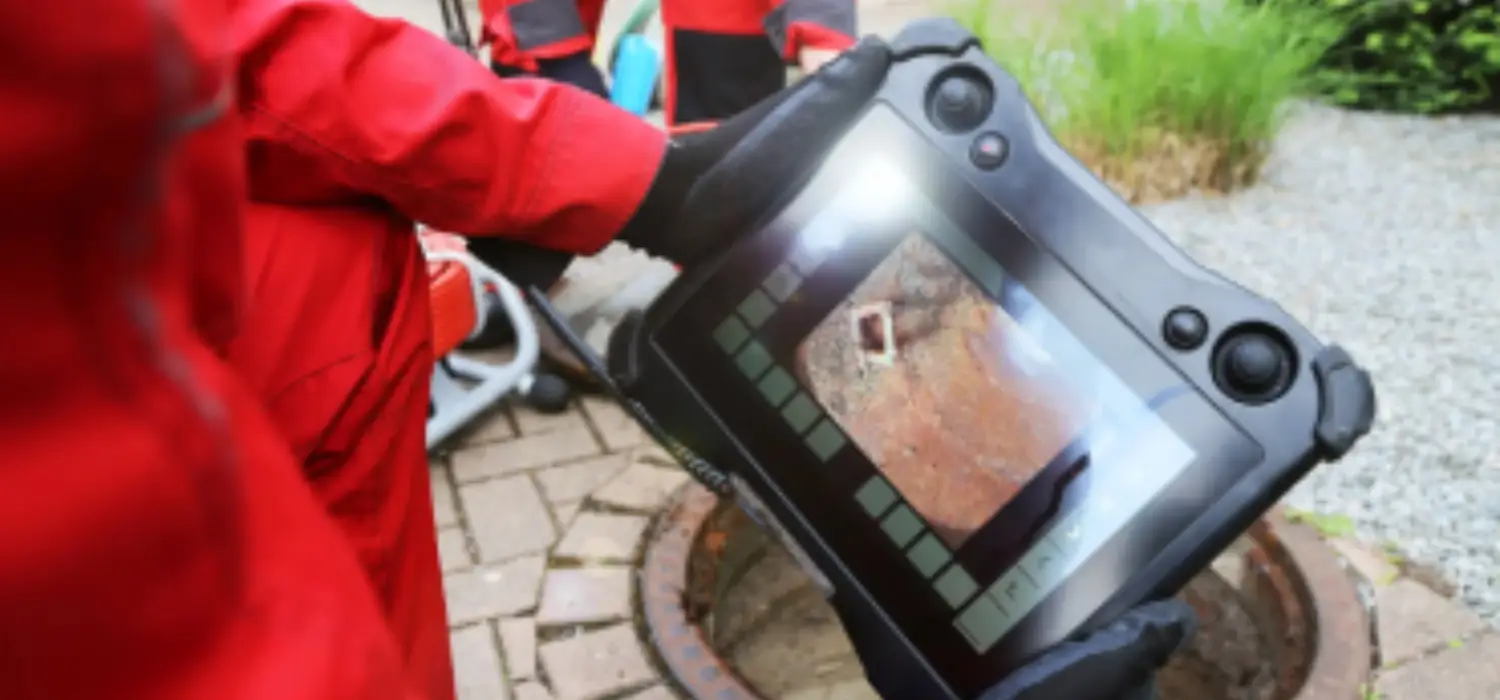
If you suspect a blockage or backup, it’s best to call a drainage engineer. DIY fixes often don’t reach the root of the problem. A professional can carry out a CCTV survey and advise on long-term solutions without unnecessary disruption. Learn more about our sewage treatment plant services here to see how we handle everything from inspection to installation.
Whether you're new to property maintenance or just want to avoid costly sewage issues, understanding your system is the first step. Stay informed and proactive — your plumbing will thank you.

How this applies on real sites

Understanding Sewage Systems is not just a general topic for Alton Facility Services. It is the kind of drainage, pump, sewage or wastewater issue that often affects homes, commercial premises, rural properties and managed sites across Hampshire, Surrey and West Sussex. The right response depends on the age of the system, the site layout, the type of pump or drainage asset involved and whether the problem is urgent, recurring or part of a wider compliance concern.

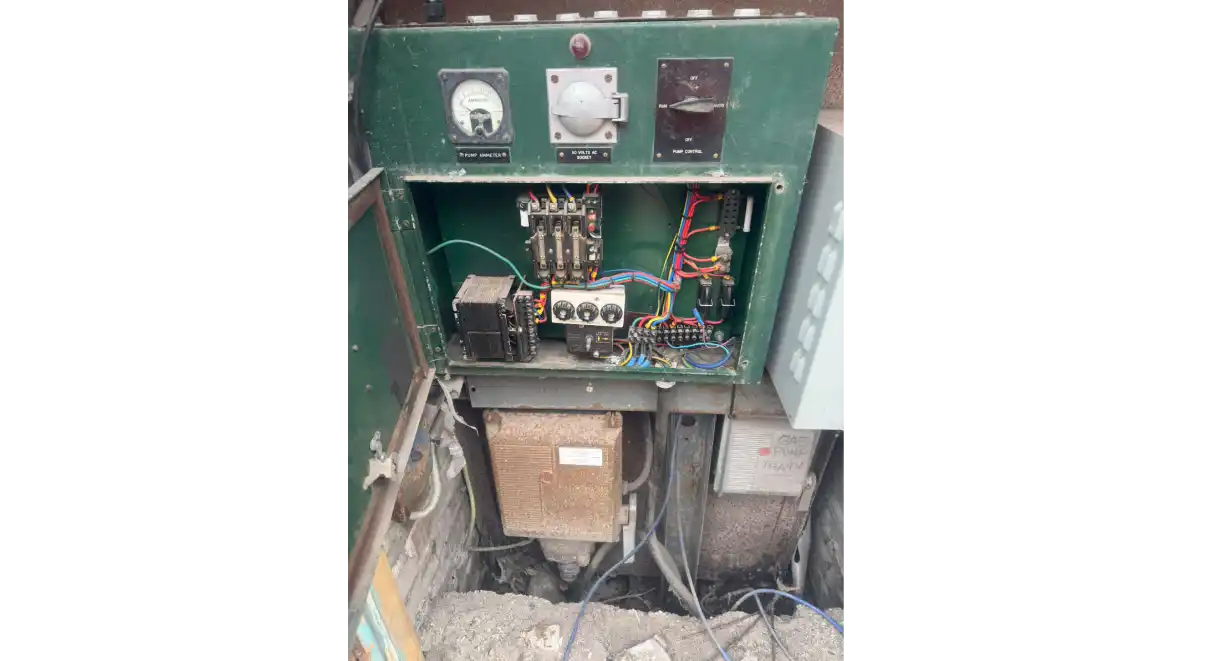
On many sites, the first visible symptom is only part of the fault. A blocked drain may be caused by root ingress, scale, collapsed pipework, poor falls or a damaged manhole. A pump alarm may point to a failed float switch, control panel fault, blocked impeller, non-return valve issue, high-level chamber or incoming flow problem. Sewage treatment plant issues can involve mechanical failure, poor servicing history, incorrect loading, power faults, air blower problems or discharge compliance concerns.

AFS looks at the whole system rather than only the immediate symptom. Where appropriate, our team can combine inspection, jetting, CCTV survey work, pump checks, tanker support and planned maintenance advice so the cause is understood properly. That helps reduce repeated callouts, avoids unnecessary replacement work and gives property owners or facilities managers clearer evidence before making decisions.

If you are reading this because you have a live fault, repeated drainage problem, sewage smell, slow flow, overflowing chamber, failed pump or treatment plant concern, call 0808 196 6005. For non-urgent work, include the site postcode, the equipment type if known, any alarm or fault history and photos where possible so the enquiry can be directed to the right engineer.