Get 10% Off Your First Order - Quote AFS10WS when you enquire by email or telephone. New customers only. First order only. Maximum discount £500. Terms apply.
Request a Quote
04 Jun, 2025 Complete Guide to Cesspit Emptying

Practical AFS Guidance

This article is part of the Alton Facility Services advice library for drainage, pump, sewage and wastewater systems. It is intended to help property owners, landlords, facilities managers and commercial sites understand common faults, maintenance needs and the point at which specialist attendance is sensible.

If the issue is urgent, involves backing up drainage, a pump alarm, wastewater overflow, foul smells or a failed treatment system, call 0808 196 6005 for direct support from the AFS team.

The Complete Guide to Cesspit Emptying in : What You Need to Know

Cesspit emptying in is essential for maintaining a hygienic and efficient waste system. In this guide, we explain everything from how cesspits work to how often they should be emptied and why regular servicing matters.

What is a Cesspit?

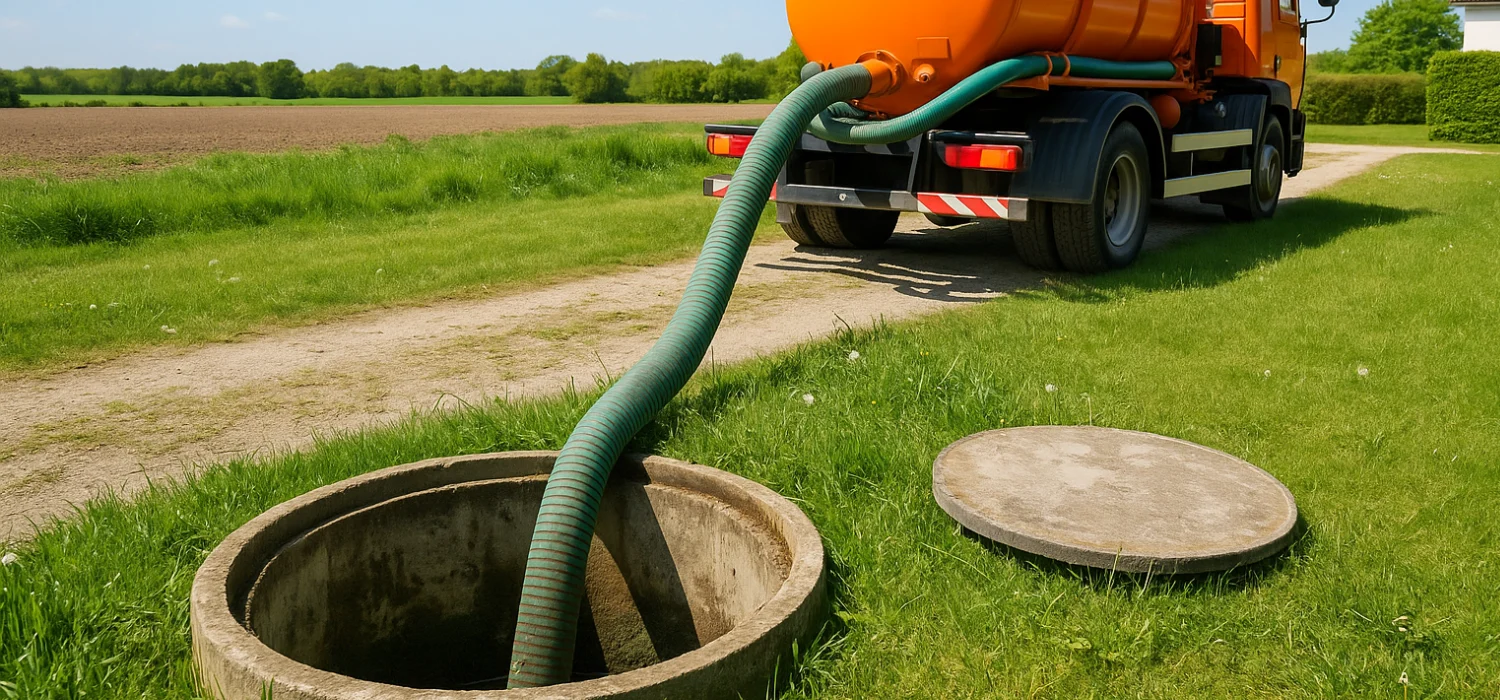
A cesspit (or cesspool) is a sealed underground tank used to collect and store wastewater and sewage from properties not connected to the mains drainage system. Unlike septic tanks, cesspits do not treat wastewater – they simply store it until it's removed by a licensed waste carrier. If you have a cesspit in , regular emptying is a legal and environmental necessity. See our cesspit services here.

Why Cesspit Emptying is Essential

Failing to empty your cesspit in time can lead to overflows, foul odours, environmental pollution, and even legal action. Here’s why timely emptying in is vital:

  • Health & Hygiene: Overflowing cesspits can expose you and others to harmful bacteria and viruses.
  • Environmental Protection: Leaking cesspits pollute local soil and water, harming wildlife and ecosystems.
  • Legal Compliance: It is your responsibility to prevent contamination. Failure to do so may result in fines.
  • Avoiding Emergencies: Regular emptying prevents costly emergency call-outs and property damage.

How Often Should a Cesspit Be Emptied in

The frequency of cesspit emptying depends on tank size, household usage, and property type. However, most homeowners in require emptying every 4 to 8 weeks. Commercial properties may need more frequent servicing. Our team can provide a tailored schedule. Enquire now.

Signs Your Cesspit Needs Emptying

Don’t wait for a crisis. Watch out for these signs that your cesspit in may need emptying:

  • Bad Smells: Unpleasant odours near the tank or drainage area are an early warning sign.
  • Slow Drains: If sinks, toilets, or showers are draining slowly, it could signal a full tank.
  • Overflow or Pooling: Wastewater pooling around your garden is an emergency – call us immediately.
  • High Tank Level: Regular inspections reveal when levels are approaching capacity.

Our Cesspit Emptying Services in

At Alton Facility Services, we provide fast, discreet, and fully licensed cesspit emptying in and surrounding areas. Our service includes:

  • Fully licensed waste removal and disposal
  • Emergency call-out options
  • Ongoing maintenance plans and scheduling reminders
  • Transparent pricing with no hidden fees

Click here to learn more or book an appointment.

Why Choose Alton Facility Services?

With years of experience and a dedicated team, we are the trusted choice for cesspit maintenance across . Our customers value our reliability, fast response times, and commitment to environmental responsibility.
Don’t wait for an overflow. Book your cesspit emptying service in today with Alton Facility Services and ensure your property remains safe, compliant, and environmentally sound. Get in touch with us here.

How this applies on real sites

Complete Guide to Cesspit Emptying is not just a general topic for Alton Facility Services. It is the kind of drainage, pump, sewage or wastewater issue that often affects homes, commercial premises, rural properties and managed sites across Hampshire, Surrey and West Sussex. The right response depends on the age of the system, the site layout, the type of pump or drainage asset involved and whether the problem is urgent, recurring or part of a wider compliance concern.

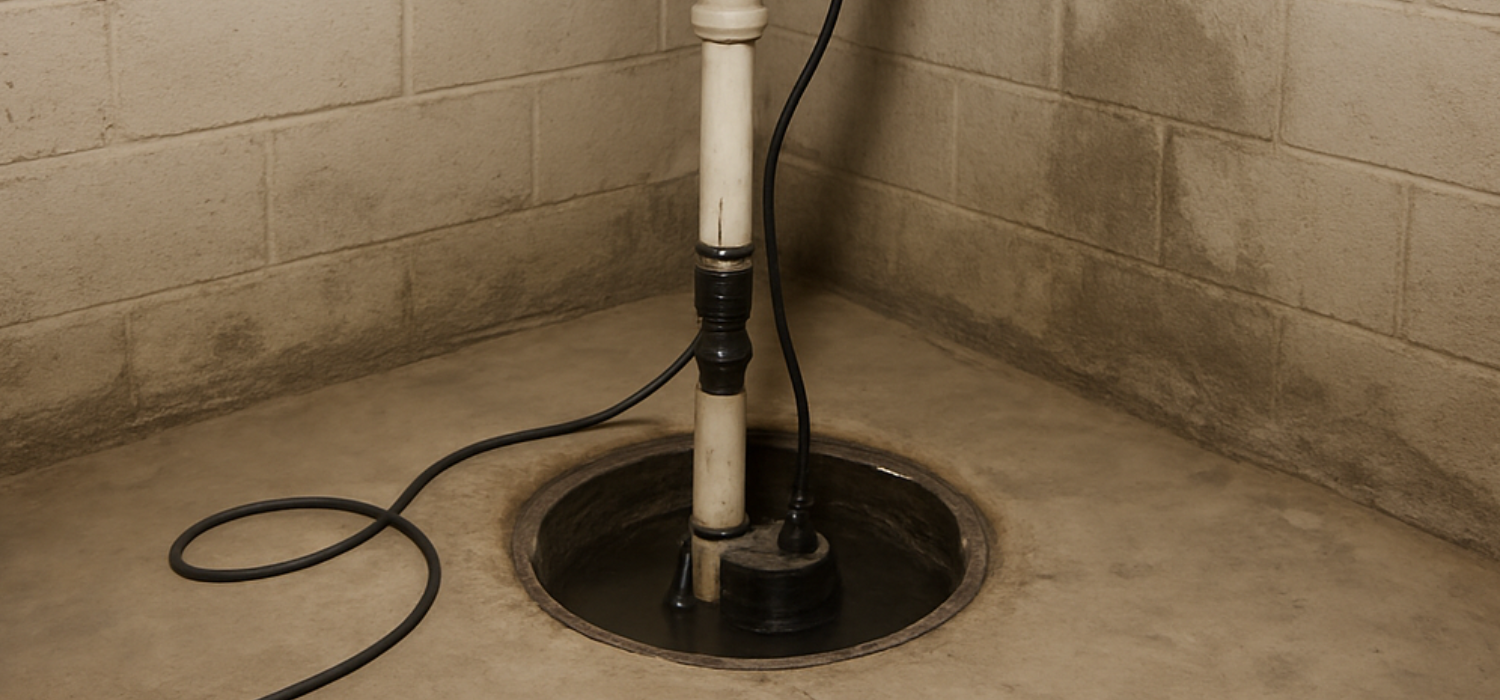
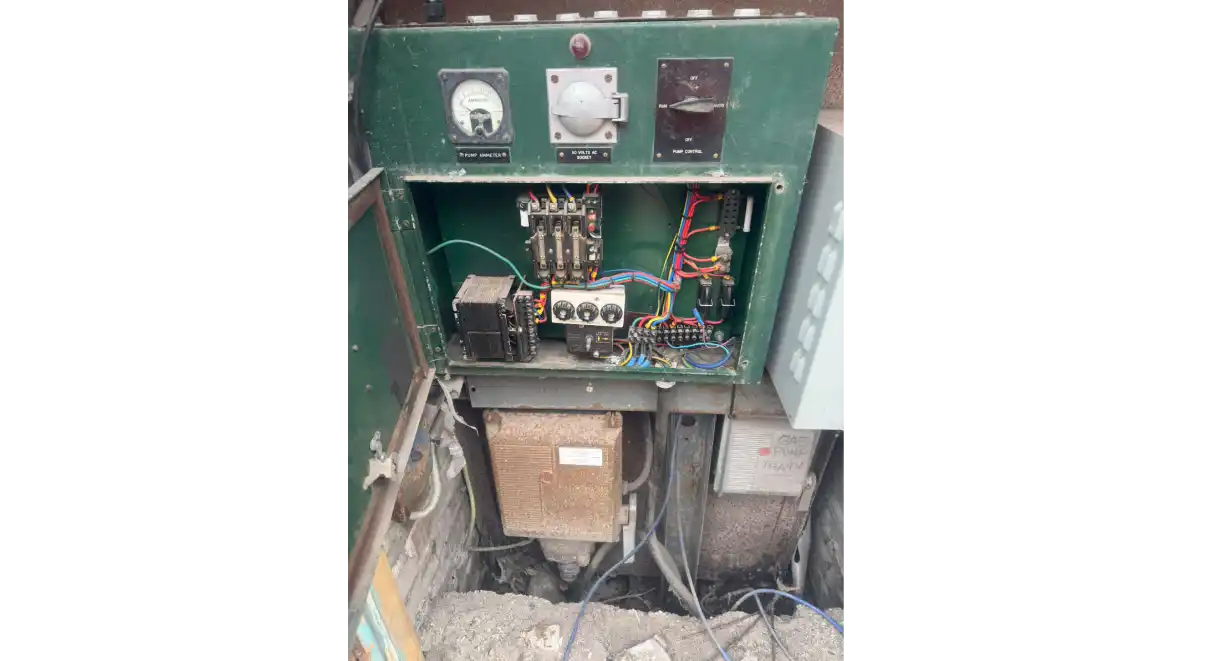
On many sites, the first visible symptom is only part of the fault. A blocked drain may be caused by root ingress, scale, collapsed pipework, poor falls or a damaged manhole. A pump alarm may point to a failed float switch, control panel fault, blocked impeller, non-return valve issue, high-level chamber or incoming flow problem. Sewage treatment plant issues can involve mechanical failure, poor servicing history, incorrect loading, power faults, air blower problems or discharge compliance concerns.

AFS looks at the whole system rather than only the immediate symptom. Where appropriate, our team can combine inspection, jetting, CCTV survey work, pump checks, tanker support and planned maintenance advice so the cause is understood properly. That helps reduce repeated callouts, avoids unnecessary replacement work and gives property owners or facilities managers clearer evidence before making decisions.

If you are reading this because you have a live fault, repeated drainage problem, sewage smell, slow flow, overflowing chamber, failed pump or treatment plant concern, call 0808 196 6005. For non-urgent work, include the site postcode, the equipment type if known, any alarm or fault history and photos where possible so the enquiry can be directed to the right engineer.