
When a sewage system develops a fault, it is natural to wonder whether you can fix it yourself or whether a professional is needed.
Some basic checks may be safe, but most sewage treatment faults involve contamination risk, buried systems, electrical components or compliance concerns.
This guide explains where DIY stops and professional repair should begin.
Quick Answer
DIY should usually be limited to safe visual checks, checking whether power is on, noting alarms and checking for obvious blockages outside hazardous areas.
Repairs involving pumps, electrics, chambers, discharge routes or contamination should be handled professionally.
Useful AFS services for sewage repair decisions
If a sewage fault involves a failed treatment plant, damaged tank, repeated alarms or discharge compliance, the safest route is to arrange professional help. Useful AFS pages include sewage treatment plant installation, treatment plant maintenance and septic tank conversion.
Where the issue involves waste levels, emptying, odour or suspected chamber problems, see sewage tanker services. For pump faults or alarms, see pump station repair services or contact AFS for site-specific advice.
Safe Basic Checks
You may be able to check whether an alarm is sounding, whether power appears to be supplied, whether there are visible odours or pooling water, and whether the issue started after heavy use.
Do not enter tanks or chambers.
What You Should Not Attempt
Do not enter confined spaces, handle contaminated wastewater, interfere with electrical controls or alter discharge routes.
Do not carry out work that could affect compliance without proper advice.
Why Professional Repair Matters
A professional engineer can diagnose the real cause, repair components safely and check whether the system remains compliant.
This reduces the risk of repeat faults and accidental pollution.
Electrical and Pump Faults
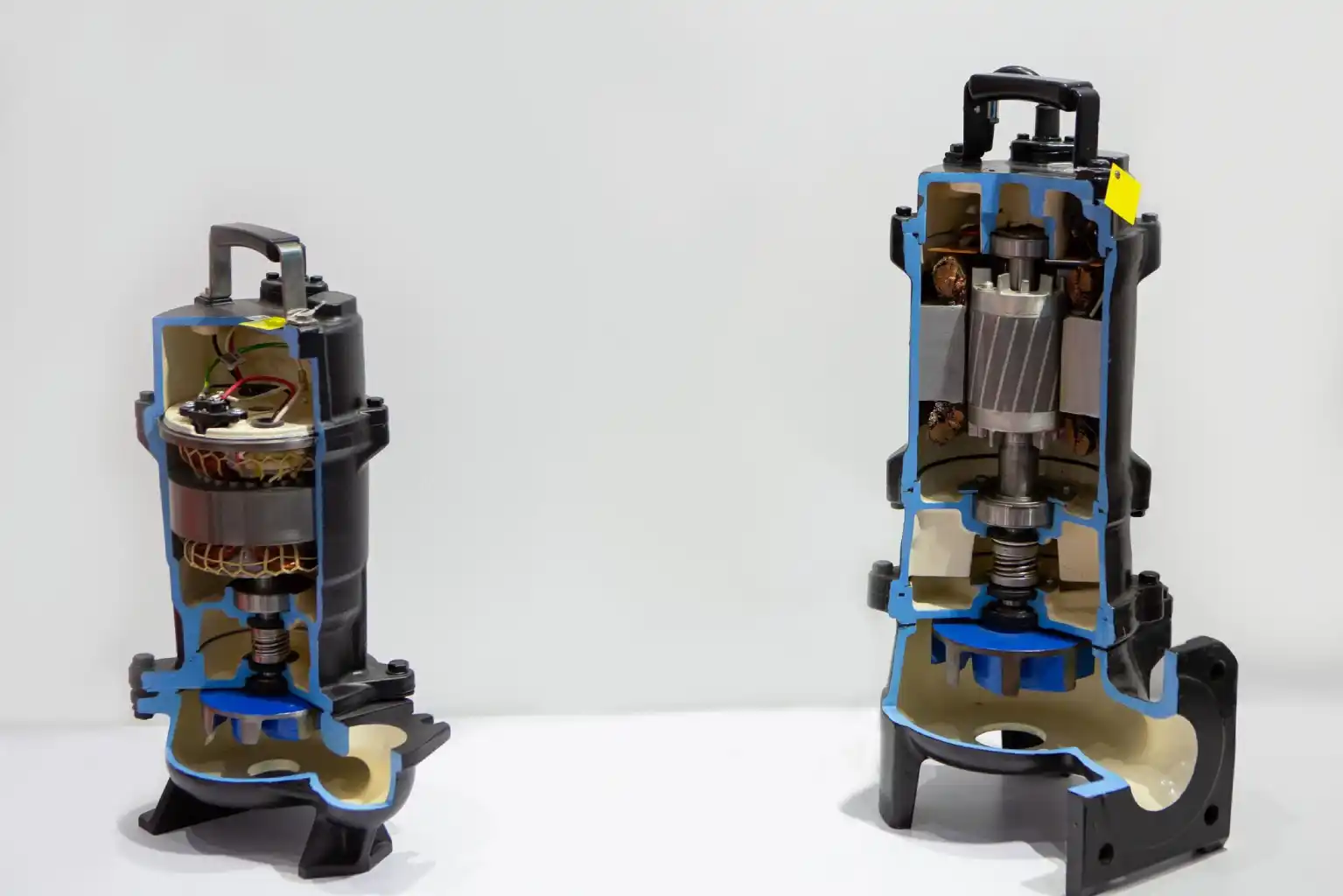
Treatment plants often include blowers, pumps, control panels, alarms and floats.
Electrical faults should only be inspected by a competent person.
Compliance Risks
Incorrect repair work can worsen pollution risk or create compliance problems.
Read the regulations guide before altering a system.
When DIY Can Cost More
Attempting the wrong repair can damage components, delay proper diagnosis or invalidate warranties.
Professional repair often gives better long-term value by dealing with root cause.
When to Call Immediately
Call immediately if there is sewage backup, strong odour, alarms, rising wastewater, pooling water or repeated faults.
See emergency sewage issues if the situation is urgent.
Get Professional Help
Alton Facility Services provides sewage system inspections, repairs, servicing and replacement advice across Hampshire and Surrey.
Need advice? Contact our team or call 01420 561661.
Where DIY work creates risk
DIY work around sewage systems can create health, electrical, environmental and compliance risks. It can also make later diagnosis harder if pipework, floats, alarms or controls have been altered without records.
Basic checks such as confirming power is on and noting alarm status are sensible. Entering chambers, modifying electrical controls, bypassing alarms or attempting tank repairs should be left to competent contractors.
How AFS would investigate this on site
For off-mains drainage issues, we would normally start by checking the tank or treatment plant, inlet and outlet pipework, alarms, pumps, blowers, sludge levels, drainage field condition and any signs of surcharge or pollution.
If the issue looks compliance-related, we would also consider whether the existing arrangement needs septic tank conversion, a new sewage treatment plant installation, or planned treatment plant maintenance rather than another temporary repair.
When this becomes urgent
You should treat the problem as urgent if sewage is backing up into the property, wastewater is escaping outside, alarms are sounding repeatedly, electrical equipment is wet, or the system is close to overflowing.
In those situations, stop unnecessary water use, keep people away from contaminated areas and arrange professional attendance. Where the system needs emptying before repair, sewage tanker services may be required to control the level safely.
Useful related AFS services
The most relevant AFS services for this topic are sewage treatment plant installation, treatment plant maintenance, septic tank conversion and sewage tanker services. These pages explain the practical options in more detail.
Need practical help with this?
For sewage treatment plants, septic tanks, private drainage systems and tanker support across Hampshire, Surrey and nearby areas, AFS can inspect the system and recommend the practical next step. You can call 01420 561661 or send details through the contact form.
Call AFS on 01420 561661 or send the details through for practical advice.
Contact AFSFrequently asked questions
Can I repair a sewage treatment plant myself?
Only basic safe checks are sensible. Mechanical, electrical, contamination or compliance-related repairs should be handled professionally.
Can I reset an alarm myself?
You may be able to note or silence an alarm depending on the system, but the cause still needs investigation.
Is sewage system work dangerous?
It can be. Sewage involves harmful bacteria and gases, and treatment plants may involve electrical components.
Can DIY repairs affect compliance?
Yes. Incorrect work can cause pollution or leave the system non-compliant.
When should I call a professional?
Call for alarms, odours, sewage backup, pooling water, pump faults or recurring problems.
Can AFS inspect a private sewage system before quoting?
Yes. For sewage treatment plants, septic tanks, pump chambers and private drainage systems, AFS can inspect the site, identify the likely cause and advise whether servicing, repair, tanker attendance, conversion or replacement is appropriate.