
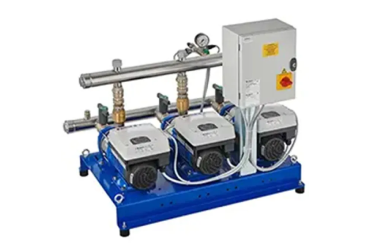
A pump control panel is the part of the system that manages how and when the pump operates. If the panel fails, the pump may not start, may not stop, may show alarms, or may become unreliable.
The cost of replacing a pump control panel depends on the type of pump system, panel specification, number of pumps, controls, alarms, access, electrical work and whether other components also need attention.
This guide explains what affects pump control panel replacement cost, when repair may be possible, and when replacement is the better long-term option.
Quick Answer
Pump control panel replacement cost varies depending on the system type, panel size, electrical specification, number of pumps, required controls, alarms, installation time and fault diagnosis.
A simple control fault may be repairable, but a damaged, outdated or unreliable panel may need full replacement to restore safe and dependable pump operation.
What Does a Pump Control Panel Do?
The control panel manages pump operation. It may control pump start and stop signals, float switches, pressure switches, alarms, overload protection, duty/standby operation and fault monitoring.
On pump stations, sewage pumps and commercial systems, the panel is often essential for safe operation and early warning of problems.
If the pump is showing wider symptoms, our pump system problems guide explains common fault patterns.
When Might a Pump Control Panel Need Replacing?
Replacement may be needed if the panel is old, water damaged, unreliable, repeatedly tripping, no longer compliant, difficult to repair or unsuitable for the current pump system.
You may also need replacement if the existing panel cannot support new pumps, updated alarms, duty/standby controls or monitoring requirements.
If the panel keeps failing, do not keep resetting it without finding the cause.
Common Pump Control Panel Fault Signs
Signs of a control panel fault include alarms, fault lights, pump not starting, pump not stopping, repeated electrical trips, overheating, burning smells, damaged wiring, blown fuses or inconsistent operation.
In some systems, the pump may run continuously or fail to respond to float switches, pressure switches or level controls.
If the pump is starting and stopping repeatedly, read our pump short cycling guide.
What Affects Replacement Cost?
The main cost factors are the type of pump system, whether it is single-pump or twin-pump, the control method, panel rating, alarms, electrical protection, access, cable condition and commissioning requirements.
A basic single-pump control panel is usually simpler than a larger commercial, sewage or package pump station control panel with duty/standby operation and alarms.
Costs can also increase if the engineer needs to replace damaged floats, sensors, wiring, isolators, contactors or other connected components.
Single Pump vs Twin Pump Control Panels
Single pump systems normally need simpler control than twin pump systems.
Twin pump systems may use duty/standby operation, alternating pump duty, high-level alarms and more complex protection. This usually makes the control panel more expensive to supply, install and commission.
For pump stations and wastewater systems, the correct control setup is important because failure can lead to flooding or wastewater backup.
Sewage Pump and Pump Station Panels
Sewage pump and pump station panels often need more careful specification because they may control float switches, high-level alarms, twin pumps, overload protection and fault indicators.
A poor control setup can allow the chamber level to rise, cause repeated alarms, or fail to protect the pump properly.
If your issue involves a pump station, the panel should be checked as part of a wider pump station assessment.
Booster Pump Control Panels
Booster pump controls may involve pressure switches, pressure transducers, variable speed drives, pressure vessels and system protection.
A control fault can cause pressure loss, short cycling, poor flow or pumps running when they should not.
If the main issue is pressure loss, see our pump losing pressure guide.
Repair or Replace the Control Panel?
Control panel repair may be possible if the issue is a failed switch, contactor, fuse, relay, float, sensor or minor wiring fault.
Replacement may be better if the panel is old, water damaged, unsafe, repeatedly failing, difficult to source parts for, or no longer suitable for the pump system.
For the wider decision, read our pump repair vs replacement guide.
Why Diagnosis Comes Before Replacement
A pump control panel may appear to be the problem when the real issue is a faulty float switch, damaged cable, failed pump, blocked discharge, pressure vessel fault or external electrical supply problem.
Replacing the panel without diagnosing the full system can leave the original fault unresolved.
A proper inspection should check the panel, controls, pump operation, wiring, sensors, alarms and connected components.
Emergency Replacement vs Planned Upgrade
Emergency replacement is often more disruptive and may cost more because the system has already failed.
A planned control panel upgrade can usually be specified more carefully, allowing the right panel, controls, alarms and protection to be chosen before failure occurs.
If your current panel is showing repeated warning signs, it is usually better to review it before it becomes an emergency.
Can a New Control Panel Improve Reliability?
Yes. A correctly specified control panel can improve reliability, protect the pump, provide clearer alarms and reduce the risk of unnoticed failures.
It may also support better duty/standby operation, safer isolation, clearer fault indication and improved maintenance access.
For critical systems, those benefits can be more important than the cost of the panel itself.
How to Reduce Future Control Panel Problems
Regular servicing can identify loose connections, water ingress, failing floats, damaged cables, worn contactors, alarm faults and signs of overheating before the panel fails.
Maintenance should include checking the panel condition, pump operation, control signals, alarms, protection devices and any connected sensors.
Our pump servicing frequency guide explains how often pump systems should be checked.
Professional Pump Control Panel Assessment
A pump control panel should be assessed by someone competent to work on pump systems and electrical controls.
At Alton Facility Services, we can inspect pump control faults, advise whether repair or replacement is best, and help specify suitable control panel solutions for domestic, commercial, drainage and wastewater pump systems.
Need advice on pump control panel replacement? Contact our team or call 01420 561661 to arrange an inspection.
How AFS would diagnose the pump fault
Pump faults are often caused by more than the pump itself. AFS would normally check the pump, floats, valves, non-return valves, control panel, electrical supply, alarm circuit, discharge pipework, chamber condition and signs of blockage or overload.
Where the system is critical, the safest route may be urgent pump station repair, planned pump servicing, or a properly specified pump installation rather than repeated temporary resets.
Repair, servicing or replacement?
A pump can often be repaired if the issue is a blockage, float fault, worn component or control issue. Replacement is more likely where the pump is badly worn, incorrectly sized, unreliable, obsolete or repeatedly failing.
For sewage and wastewater systems, AFS can also review the wider chamber, rising main and control arrangement. That matters because a new pump will not solve a poor installation, undersized rising main or failed control panel.
Useful related AFS services
Useful next pages include pump servicing, pump installation, pump station repair services, package pump stations and sewage pumps.
Need practical help with this?
For pump faults, pump station alarms, servicing, repair and replacement, AFS can check the wider system and advise whether the issue is mechanical, electrical, hydraulic or installation-related. You can call 01420 561661 or send details through the contact form.
Call AFS on 01420 561661 or send the details through for practical advice.
Contact AFSFrequently asked questions
How much does pump control panel replacement cost?
The cost depends on the panel type, number of pumps, control requirements, alarms, electrical work, access and whether connected components also need replacement.
Can a pump control panel be repaired?
Yes, some faults can be repaired if they involve a replaceable component such as a switch, relay, contactor, fuse, float or sensor. Older or damaged panels may be better replaced.
What are signs of a pump control panel fault?
Signs include alarms, fault lights, pumps not starting or stopping, repeated tripping, overheating, burning smells, damaged wiring or inconsistent pump operation.
Do sewage pump control panels cost more?
They can do, especially if they control twin pumps, high-level alarms, float switches, duty/standby operation and additional protection.
Should I replace an old pump control panel before it fails?
If the panel is unreliable, damaged, outdated or difficult to repair, planned replacement can reduce the risk of emergency breakdown and system downtime.
Can AFS diagnose pump faults as well as replace pumps?
Yes. AFS can check the pump, floats, panel, alarms, pipework and chamber to determine whether repair, servicing or replacement is the right option.