
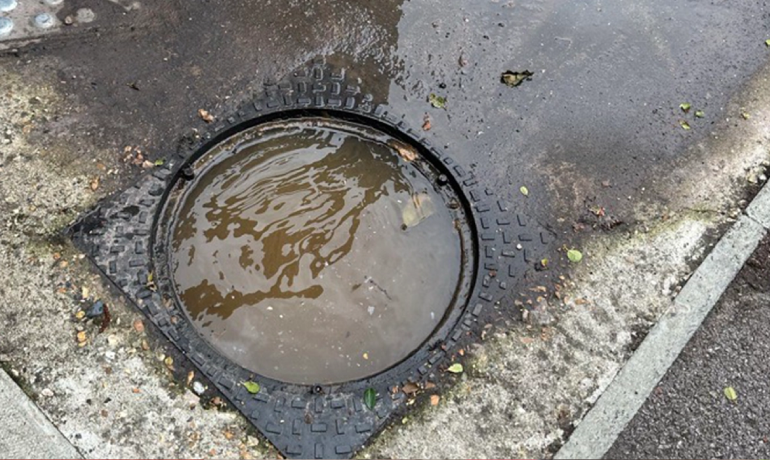
Blocked drains rarely happen without warning. In most cases, there are early signs before the problem becomes serious.
Catching the symptoms early can help you avoid flooding, bad smells, sewage backup and unnecessary repair costs.
This guide explains the six most common signs your drain is blocked, what may be causing it, and when to call a drainage professional.
Quick Answer
The main signs of a blocked drain are slow-draining water, unpleasant smells, gurgling noises, water backing up, repeat blockages and outside drain overflow.
If the issue keeps returning or water is backing up, it may be more than a simple surface blockage.
1. Slow Draining Water
If water is draining slowly from a sink, bath, shower or gulley, a blockage may be building up inside the pipe.
Common causes include grease, fat, soap residue, hair, food waste and general debris.
If slow drainage keeps returning, a CCTV drain survey can help identify whether there is a deeper structural issue.
2. Unpleasant Drain Smells
Bad smells from drains often mean waste is trapped somewhere inside the pipework.
Food waste, fat, stagnant water and decomposing material can all create strong odours.
Smells should not be ignored if they are getting worse or affecting more than one drain.
3. Gurgling Sounds
Gurgling or bubbling noises usually mean air is trapped in the drainage system because water cannot pass freely.
You may hear this from sinks, toilets, baths, showers or outside drains.
Gurgling can be an early warning sign before a full blockage forms.
4. Water Backing Up
Water coming back up through sinks, toilets, showers or external drains is a serious warning sign.
This can indicate that the blockage is preventing wastewater from leaving the property correctly.
If sewage or wastewater is backing up into the property, arrange help quickly.
5. Frequent Blockages
If the same drain keeps blocking, there may be a deeper issue such as tree roots, damaged pipework, poor fall, a collapsed drain or heavy scale build-up.
Repeated blockages should not be solved with temporary fixes alone.
Read our blocked drain prevention guide for practical steps that reduce repeat problems.
6. Outside Drain Overflow
Overflowing external drains can point to a blockage in the main drainage line.
This is common after heavy rain, when leaves, silt and debris put extra pressure on older drainage systems.
External overflow can become urgent if wastewater is affecting patios, driveways, gardens or access points.
What Causes Blocked Drains?
Common causes include fat, oil and grease, wet wipes, sanitary products, food waste, hair, tree roots and collapsed pipes.
Older properties can also be more vulnerable to damaged or ageing drainage systems.
If the cause is structural, unblocking the drain may only provide a temporary fix.
What Should You Try First?
For a minor indoor blockage, you may try hot water and washing-up liquid, a plunger or a suitable drain tool.
Avoid harsh chemicals if you are not sure what pipework you have, and do not keep forcing the blockage if water is backing up.
If simple steps do not solve it, professional drain unblocking or inspection is safer.
When to Call a Professional
Call a professional if the blockage is recurring, affecting multiple drains, causing foul smells, backing up water or overflowing outside.
If damage is suspected, drain repair costs may depend on whether the problem can be patched or needs larger repair work.
Need help now? Contact Alton Facility Services for drainage support.
How AFS would diagnose the drainage issue
The right repair depends on where the problem is and why it has happened. AFS may use access chambers, dye testing, high-pressure jetting, sonde tracing and CCTV drain survey equipment to confirm whether the issue is a blockage, defect, collapse, root ingress or poor fall.
If the pipe is structurally damaged, the solution may move from simple drain jetting to drain repairs, patch lining, excavation or replacement depending on access and condition.
When to arrange a CCTV survey
A CCTV drain survey is sensible if the same drain blocks more than once, if there is a suspected collapse, if a property purchase is involved, or if jetting clears the symptom but not the underlying cause.
For commercial premises, landlords and managed estates, recorded drain evidence also helps support planned maintenance decisions and avoids repeatedly paying for emergency callouts without knowing the real defect.
Useful related AFS services
Useful next pages include blocked drains, drain jetting, CCTV drain survey, drain repairs and commercial drainage.
Need practical help with this?
For blocked drains, drainage defects, CCTV surveys, jetting and repairs across Hampshire, Surrey and nearby areas, AFS can investigate the cause and advise on the right repair route. You can call 01420 561661 or send details through the contact form.
Call AFS on 01420 561661 or send the details through for practical advice.
Contact AFSFrequently asked questions
What are the first signs of a blocked drain?
Slow-draining water, bad smells and gurgling noises are often the first warning signs.
Is water backing up a serious drain problem?
Yes. Water backing up through drains, sinks or toilets can indicate a serious blockage that needs prompt attention.
Why does my outside drain keep overflowing?
It may be blocked by leaves, silt, fat, debris, tree roots or a restriction in the main drainage line.
Can blocked drains damage pipes?
Repeated or severe blockages can increase pressure and may expose underlying damage such as cracks, root ingress or collapsed sections.
Should I get a CCTV survey for repeat blockages?
Yes. A CCTV survey can identify hidden causes such as roots, cracks, scale, misalignment or collapsed drains.
Can AFS investigate the cause before carrying out repairs?
Yes. AFS can use practical drainage investigation methods such as access chamber inspection, jetting and CCTV survey to find the cause before recommending repair work.