Routine emptying
Scheduled cesspit emptying to reduce overflow risk and avoid last-minute disruption.

One-off and scheduled cesspit emptying for homes, rural properties, estates and commercial sites across Hampshire, Surrey and West Sussex.
A cesspit is a sealed holding tank, so every litre of wastewater remains in the tank until it is removed by tanker.
AFS arranges cesspit emptying for domestic, rural and commercial properties, including one-off tanker visits and scheduled emptying programmes.
Before attendance, we confirm the tank location, approximate capacity, access route, hose distance and urgency so the correct tanker arrangement can be made.
If the tank is nearly full, backing up or causing odours, reduce unnecessary water use and contact us promptly. We can also advise whether groundwater ingress, connected drainage, damaged pipework or increased usage may be contributing to frequent filling.
Scheduled cesspit emptying to reduce overflow risk and avoid last-minute disruption.
Tell us promptly if the tank is close to capacity, backing up or creating an overflow risk.
Practical guidance on tanker access, repeat filling and longer-term private drainage options.
We check the address, tank position, approximate size, access restrictions, hose distance and urgency.
The tanker is positioned safely and wastewater is removed through a suitable access point where conditions allow.
We can recommend a sensible emptying interval or further investigation if the tank is filling unusually quickly.
There is no single interval that suits every property.
Emptying frequency depends on tank capacity, occupancy, water usage, seasonal demand and whether rainwater or groundwater is entering the system. A smaller tank serving a busy property may require much more frequent visits than a larger tank with light usage.
A planned schedule is normally safer than waiting for toilets to slow, drains to gurgle or sewage to back up. Previous tanker records are useful when setting the next attendance date.
Good access information helps prevent delays and unsuitable vehicle attendance.
Tell us where the tank is located, whether the cover can be opened, how close a tanker can safely get and whether there are gates, narrow tracks, soft ground, height restrictions or a long hose pull.
Photos of the access route and tank cover are particularly useful for rural properties, estates and sites where the tanker cannot park directly beside the cesspit.
The correct service depends on the type of off-mains drainage system installed.
A cesspit is sealed and stores all wastewater. A septic tank separates solids and liquids and normally discharges through a drainage field. A sewage treatment plant treats wastewater before a permitted discharge route.
Where emptying is exceptionally frequent or the existing system is no longer practical, AFS can review upgrade options including treatment plant installation, septic tank conversion, new pipework and package pump stations.
Work our engineers and crews have finished recently, from our own job updates.
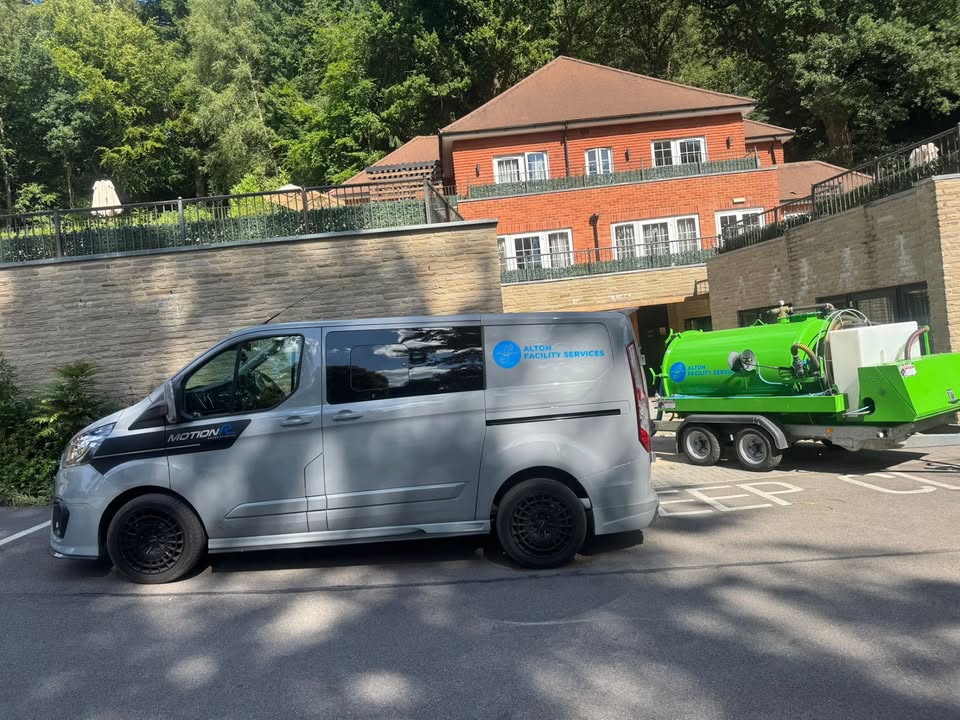 What’s Included in a Septic Tank Empty?
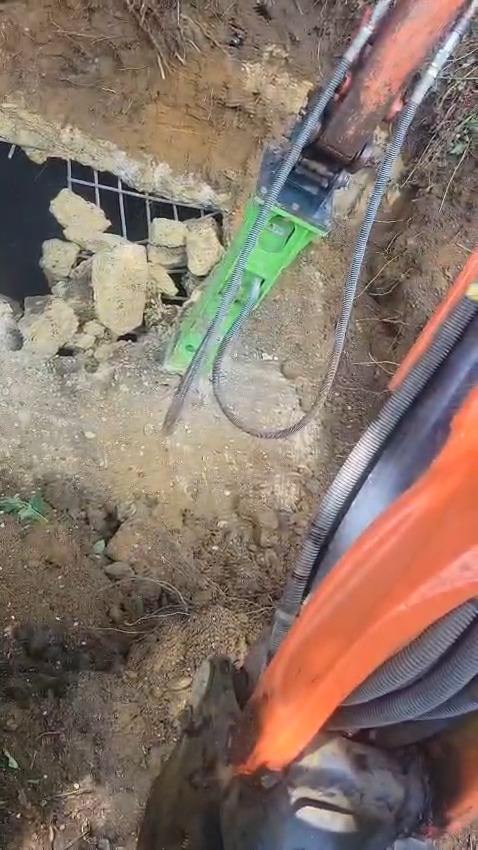 Septic tank replacement in Oxted
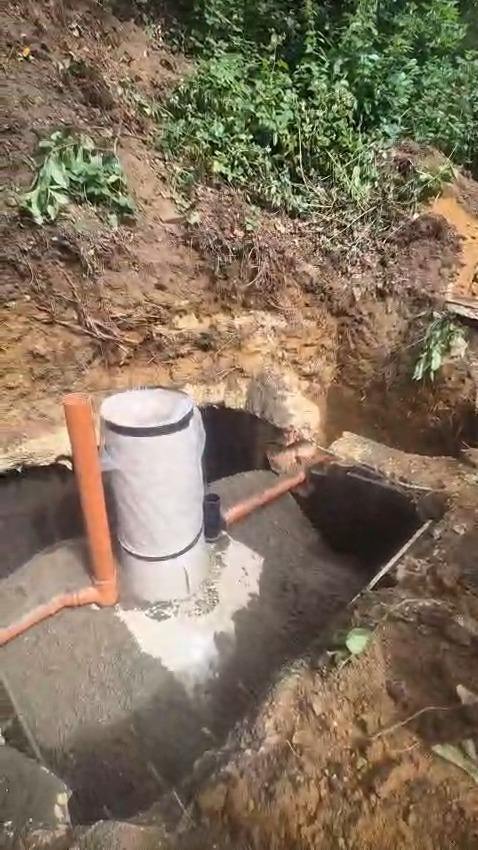 New Septic Tank Installation at Oxted Fire Station
Explore local tanker information for established routes, or send your postcode so coverage can be checked from Liphook.
Send the details through and a member of the AFS team will come back to you.
It depends on the tank size, number of users and water consumption. Previous emptying records provide the best starting point for setting a reliable schedule.
Send the site details and urgency promptly so suitable tanker attendance can be considered. Reduce unnecessary water use where sewage is backing up and keep people away from any contaminated area.
No. A cesspit is sealed and stores all wastewater. A septic tank separates solids and liquid and normally discharges through a drainage field.
We need the tank location, approximate tanker parking position, gate widths, ground conditions, height restrictions and likely hose distance. Photos are very helpful.
Yes. We can assess practical alternatives such as a sewage treatment plant, drainage alterations or a pumped system where the existing cesspit is no longer economical.
Cost depends on the volume removed, tanker access, hose distance, waste characteristics, disposal requirements, location and whether an urgent attendance is needed. Send the postcode, tank capacity, access photographs and latest emptying record for an informed quotation.
As well as emptying the tank, we can check the level, look at the visible covers and pipework, and point out any obvious defects. If there are signs of damage or repeated problems, we can advise on further checks, such as a CCTV drain survey.
The property owner is responsible for keeping the cesspit emptied and in good condition, so that it does not leak or overflow.
Send an enquiry or call the AFS team. We’ll confirm the practical next step and whether a site visit is needed.