Design and pump selection
Flow, head, storage, pump duty, control philosophy and rising-main requirements are reviewed before installation.

AFS designs, supplies and installs package pump stations where sewage, foul water, surface water or groundwater cannot discharge reliably by gravity.
A reliable installation starts with the correct flow, pumping head, storage volume, discharge route, controls and access for future maintenance.
Alton Facility Services supports domestic, commercial and development pump station projects across Hampshire, Surrey, West Sussex, Berkshire and nearby areas.
Package pump stations, also described as packaged pumping stations, combine a chamber, pumps, internal pipework, valves and level controls into a coordinated system for sites where gravity drainage is not practical.
We assess the incoming flow, site levels, rising-main route, discharge point, electrical supply and access before recommending a chamber and pump arrangement.
Our scope can include excavation, base preparation, chamber installation, pumps, internal pipework, valves, control panels, high-level alarms, electrical coordination and commissioning.
For faults, alarms, servicing or refurbishment of an existing station, use our dedicated pump station repair and servicing page.
For specialist pump work, our sister company Alton Pumps provides package pump stations.
Flow, head, storage, pump duty, control philosophy and rising-main requirements are reviewed before installation.
AFS can coordinate excavation, concrete bases, chamber placement, drainage connections and reinstatement.
Pumps, floats, probes, alarms, valves and controls are tested before the system is handed over.
We confirm site levels, flows, discharge point, pipe route, power supply, access and future maintenance needs.
We set out the chamber, pump arrangement, controls, alarm, pipework and civil works included in the proposal.
The system is installed, connected, tested and commissioned with practical maintenance advice.
The correct equipment depends on the liquid being pumped, the expected duty and the consequence of failure.
Systems may use single or duty-standby pumps, depending on flow, storage and resilience requirements. Commercial and higher-risk sites often require twin pumps, alarm outputs and more detailed control arrangements.
AFS considers the complete pumping system rather than selecting a pump in isolation. Chamber geometry, free passage, valves, guide rails, lifting arrangements, rising-main velocity and access all affect long-term reliability.
A pump station installation normally involves more than supplying the chamber and pumps.
AFS can coordinate excavation, formation preparation, concrete surround or anti-flotation measures, inlet drainage, valve chambers, ducting, rising-main installation and reinstatement where these are included in the project scope.
Where approvals or third-party connections are required, the final design should reflect the relevant water-company, drainage, planning and electrical requirements.
The number of pumps should reflect the design flow, storage, operating risk and the consequence of a failure.
A single-pump station may be suitable for some lower-risk domestic applications where the duty, storage and maintenance plan support that arrangement. It does not provide an installed standby pump if the duty pump is unavailable.
Twin-pump stations can provide duty-assist or duty-standby operation. The controls, alternation, alarm strategy and usable storage still need to be designed correctly; adding a second pump does not compensate for an unsuitable chamber or rising main.
Packaged sewage and drainage pump stations are used wherever the receiving point cannot be reached reliably by gravity.
Domestic applications include houses, extensions, annexes, basements and rural properties. Commercial systems may serve offices, hospitality sites, managed buildings, yards or operational premises with higher or more variable flows.
Development projects may require coordinated drainage levels, adoptable or private-system requirements, electrical design, access for tankers and lifting equipment, and clear responsibility for ongoing maintenance.
Useful project information reduces assumptions and helps establish whether a survey or design review is needed.
Send the proposed use, site address, drainage layout, incoming pipe level, discharge point, rising-main route, expected flows and available electrical supply where known.
For a replacement or upgrade, include photographs of the chamber, pumps, control panel, valves, alarm and data plates together with service records or previous drawings.
Work our engineers and crews have finished recently, from our own job updates.
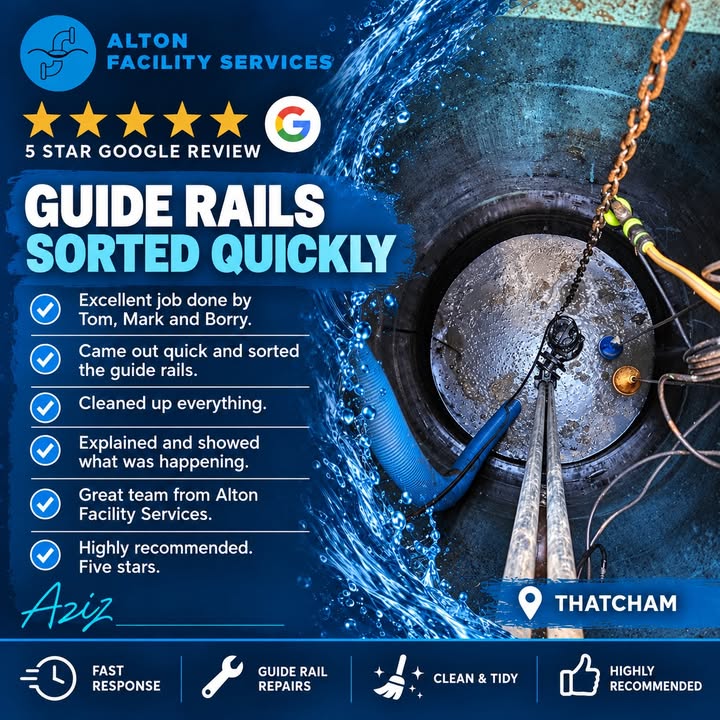 5-Star Review: Pump Guide Rails Sorted in Thatcham
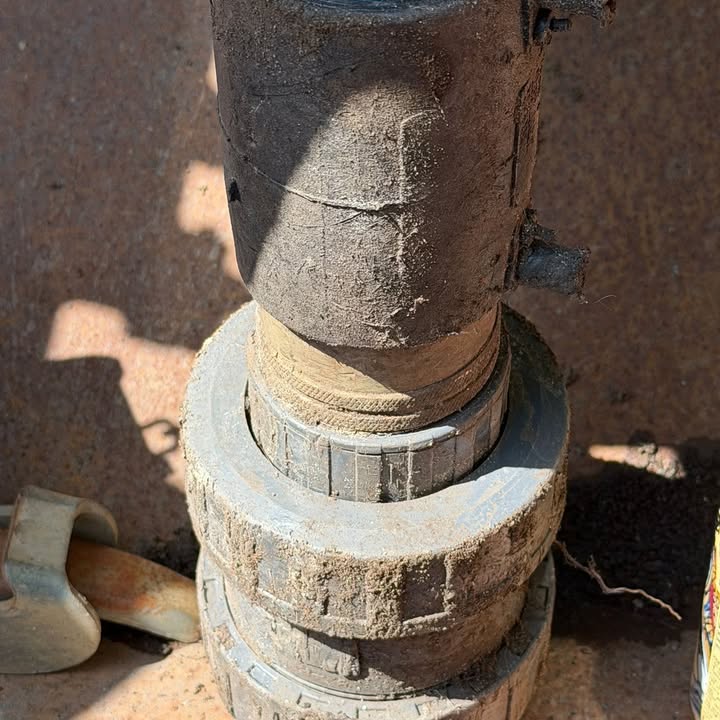 Emergency Drainage and Pump Chamber Repairs Near Liphook
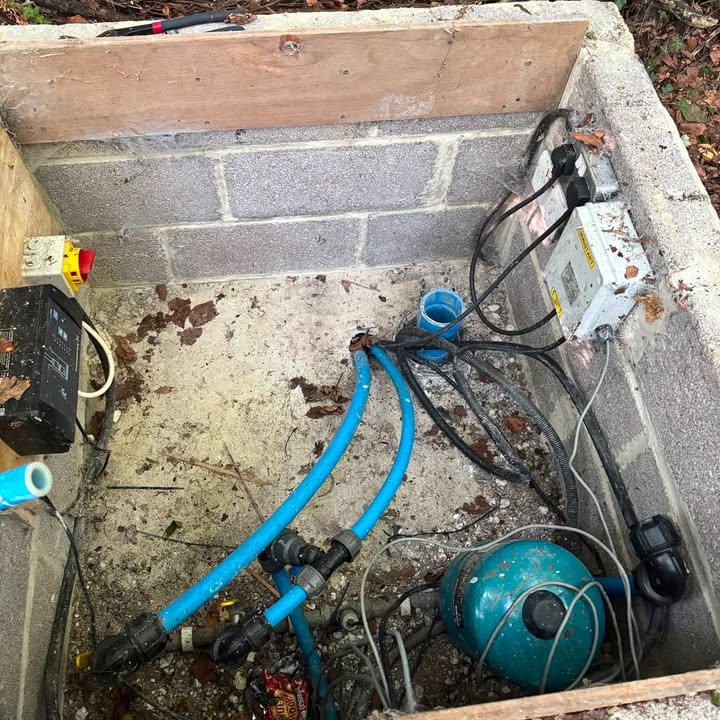 Borehole Pump Replacement in East Meon
We cover about 50 miles around Alton. Type the first part of your postcode and we will tell you the nearest town we cover, how far it is from Alton and whether it is inside our area.
Contains OS data © Crown copyright and database right 2026
Contains Royal Mail data © Royal Mail copyright and database right 2026
Contains National Statistics data © Crown copyright and database right 2026
Send the details through and a member of the AFS team will come back to you.
A package pump station is normally required when drainage cannot reach the receiving sewer, treatment plant or outfall by gravity.
Yes. Subject to the agreed scope, AFS can coordinate excavation, chamber installation, drainage connections, rising mains, bases and reinstatement.
Yes. We can specify and install twin-pump duty-standby arrangements where resilience, flow or site risk requires them.
We review flow, head, storage and site conditions and work with the selected manufacturer or supplier to confirm a suitable duty and system arrangement.
Yes. Existing faults, alarms, servicing and refurbishment are covered on our dedicated pump station repair and servicing page.
The cost depends on design flow, pumping head, storage volume, number of pumps, chamber depth, rising-main length, controls, alarms, excavation, access and reinstatement. Send the site layout, levels and expected flows for an initial scope review.
Programme length depends on design information, approvals, equipment lead time, excavation, groundwater, services, access and commissioning. AFS can outline the likely stages after reviewing the site details.
A single-pump station has one duty pump. A twin arrangement may provide duty-assist or duty-standby operation depending on the controls and design. The correct option depends on flow, storage, risk and the consequence of failure.
Yes. Send the required duty, site layout, levels, rising-main information, liquid type, controls and access details. AFS can confirm what further information is needed and whether supply-only or a wider installation scope is appropriate.
Send an enquiry or call the AFS team. We’ll confirm the practical next step and whether a site visit is needed.