Domestic Sewage Treatment Plants in the UK: Types, Costs & How to Choose the Right System
Choosing the right sewage treatment plant is essential for managing wastewater effectively, especially for properties not connected to the main sewer network. Domestic sewage treatment systems help protect the environment, maintain hygiene, and ensure compliance with UK wastewater regulations. This guide explains the main types of residential sewage treatment plants, how they work, and how to choose the right system for your home.
Summary
This guide covers the most common domestic sewage treatment options in the UK — septic tanks, Aerobic Treatment Units (ATUs), package treatment plants, and Rotating Biological Contactors (RBCs). It explains how each system works, their pros and cons, how to choose the right solution based on regulations, property size, soil conditions and budget, and why professional installation and routine maintenance are essential. It concludes by highlighting trusted UK providers, including WPL, Klargester and Alton Facility Services.
What Is Domestic Sewage Treatment?
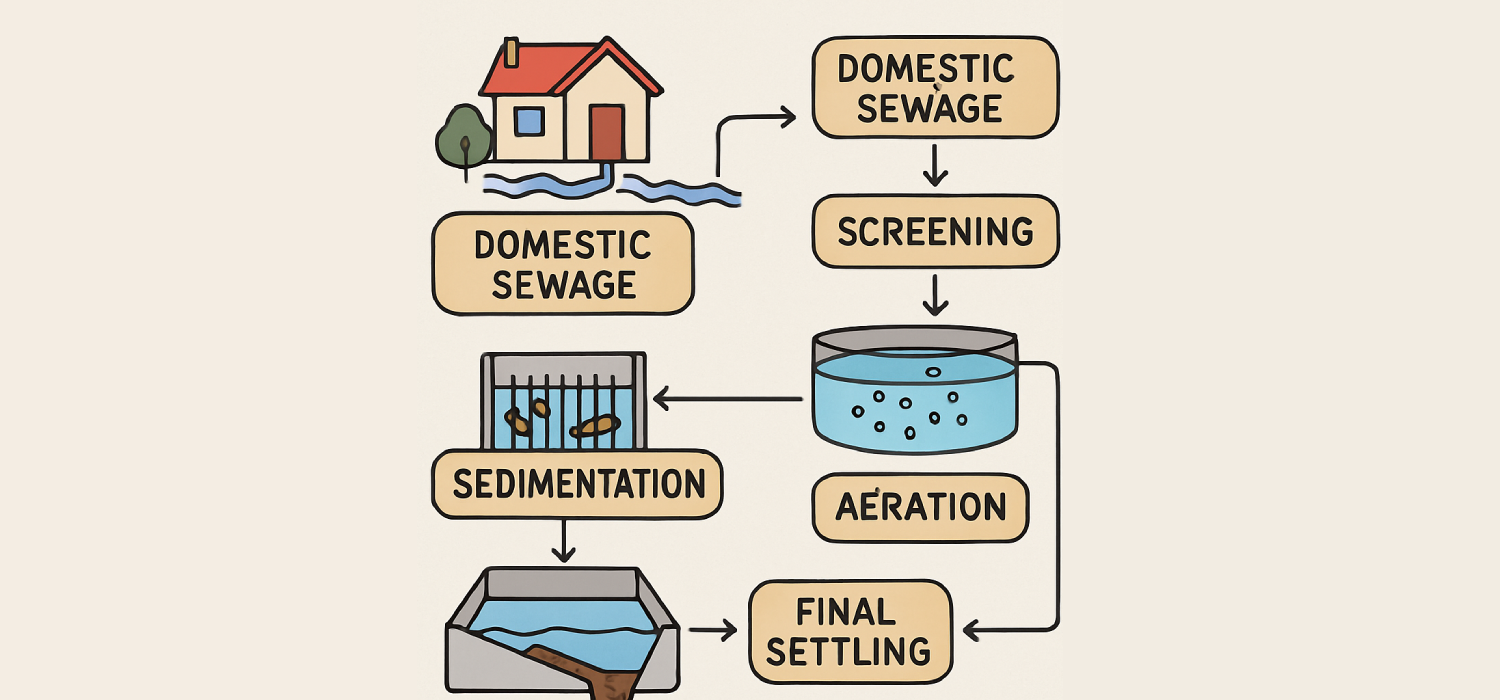
Domestic sewage treatment removes contaminants from wastewater produced by households. This process involves settling solids, breaking down organic matter with bacteria, and safely discharging treated effluent. It is vital for public health and environmental protection, especially in rural areas where properties must rely on onsite wastewater treatment rather than the main sewer network.
Why Onsite Sewage Treatment?
Properties not connected to public sewer systems rely on onsite solutions to treat wastewater safely. These systems reduce pollution, protect nearby watercourses, and help homeowners meet UK environmental regulations. Onsite sewage plants also offer independence from external networks and can be tailored to suit site-specific conditions.
Types of Domestic Sewage Treatment Plants in the UK
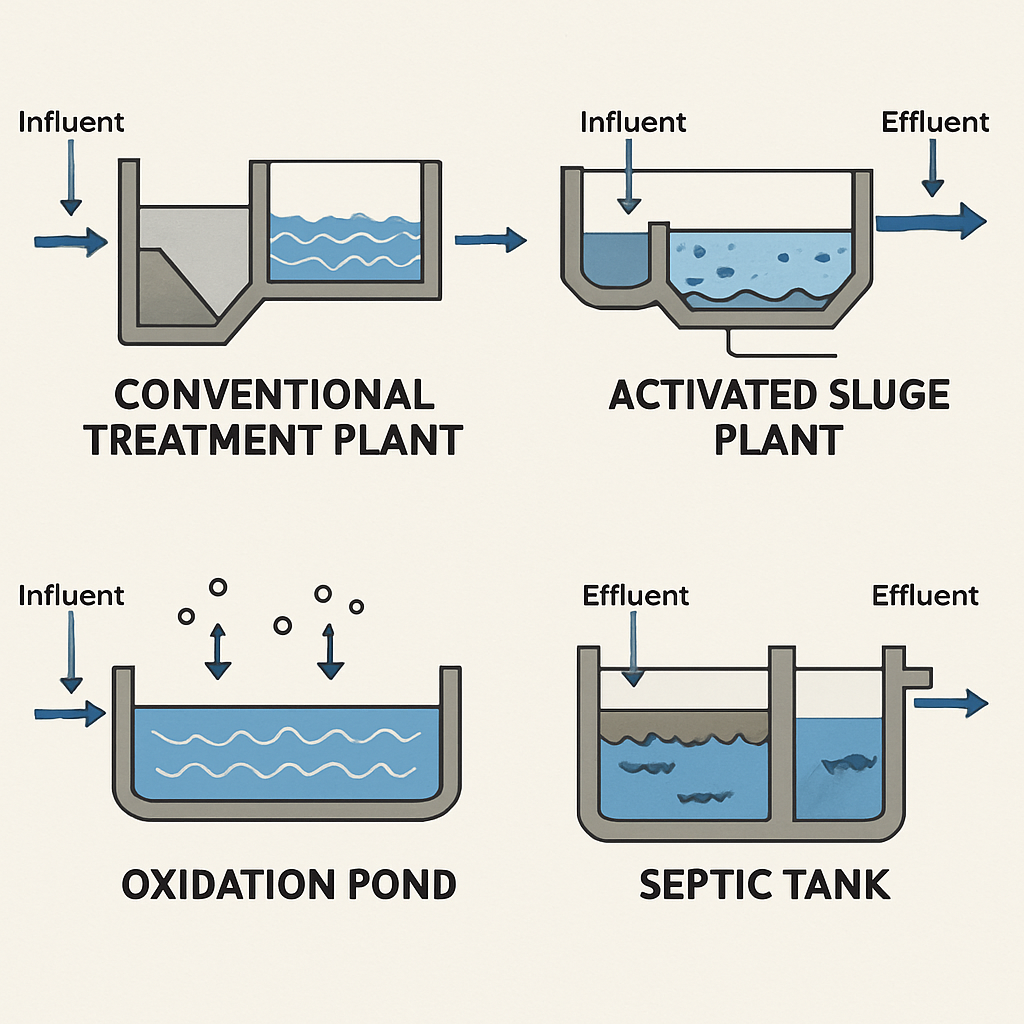
1. Septic Tanks
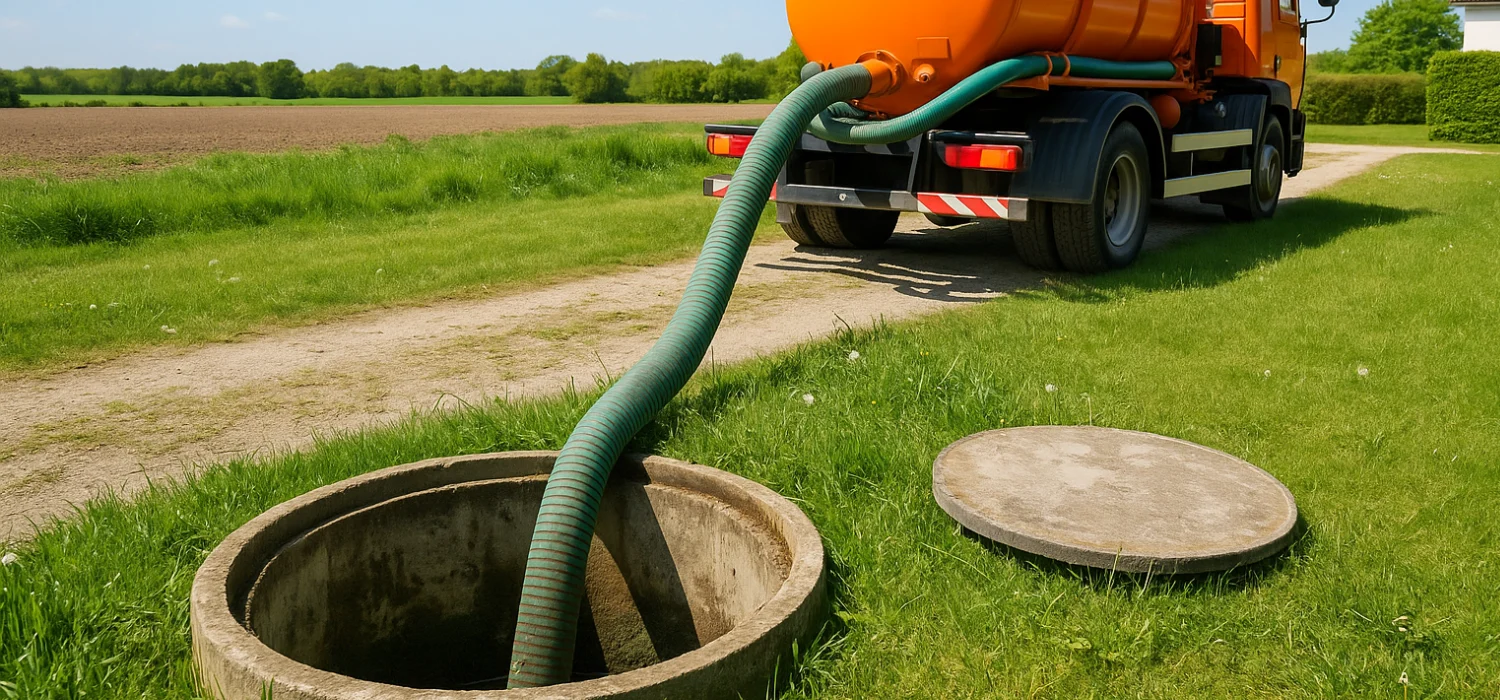
Septic tanks are traditional wastewater treatment systems where solids settle, and liquid effluent drains into a soakaway or drainage field. They are simple and cost-effective but provide limited treatment.
Pros:
- Low installation cost
- Simple system with minimal components
- Low routine maintenance
Cons:
- Limited treatment capability
- Requires regular emptying
- Environmental risks if poorly maintained
2. Aerobic Treatment Units (ATUs)
ATUs use oxygen to promote aerobic bacterial activity, providing much cleaner effluent than septic tanks. These are ideal for environmentally sensitive areas or homes needing higher treatment standards.
Pros:
- High treatment efficiency
- Suitable for sensitive environments
- Handles larger volumes of wastewater
Cons:
- Higher installation and maintenance cost
- Requires electricity
3. Package Treatment Plants
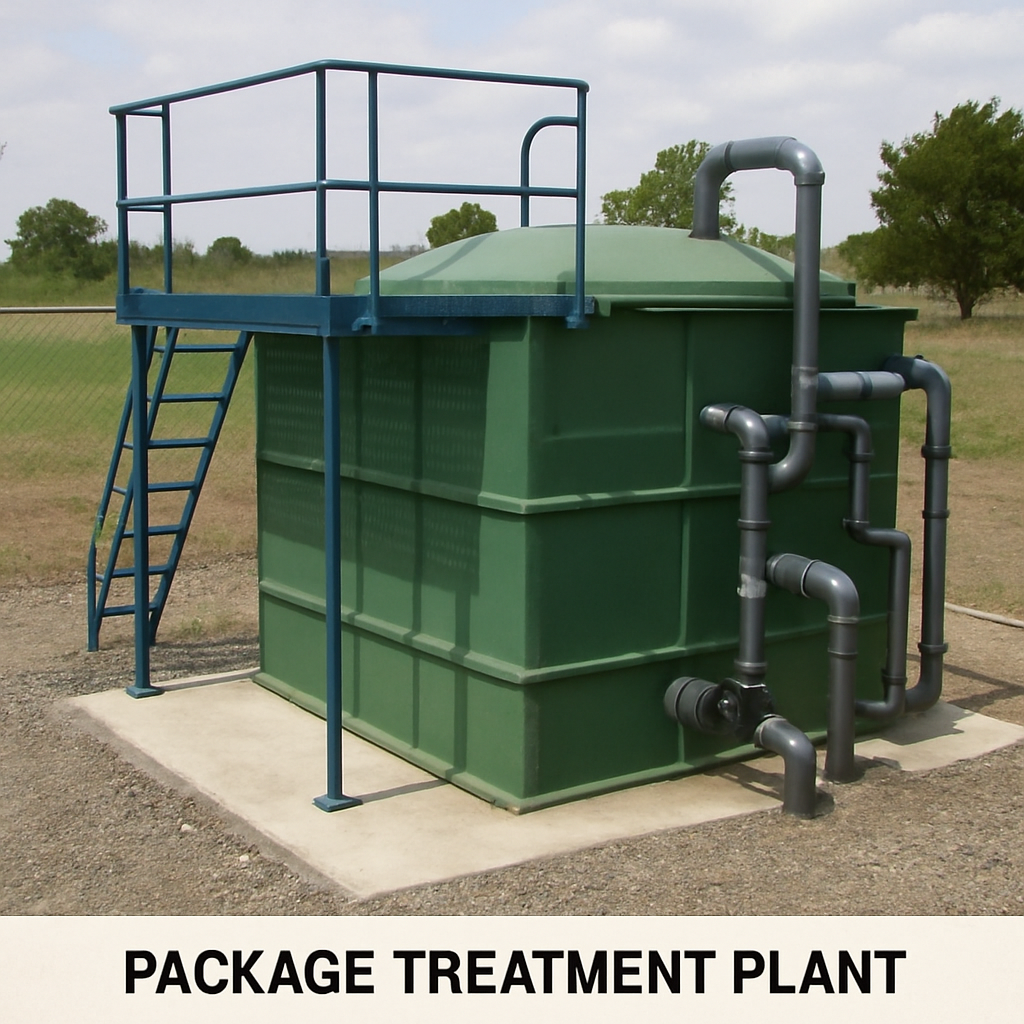
Package treatment plants are compact, self-contained systems offering excellent treatment performance. Ideal for small plots or homes needing a modern, efficient sewage solution.
Pros:
- Compact design for small properties
- High treatment quality
- Efficient and environmentally friendly
Cons:
- Higher initial cost
- Requires regular servicing
4. Rotating Biological Contactors (RBCs)
RBC systems use rotating disks that develop a biological film which treats wastewater as it moves through the system. Known for efficiency and low power usage.
Pros:
- Highly effective treatment
- Low energy consumption
- Reliable long-term performance
Cons:
- More complex installation
- Requires routine maintenance
How to Choose a Sewage Treatment Plant
1. Property Size & Location
Larger homes may require higher-capacity systems, while smaller plots benefit from compact package plants. Soil type, groundwater levels and proximity to watercourses also affect system suitability.
2. Environmental Regulations
UK rules require treatment systems to meet strict standards. Always check with the Environment Agency or your local authority for discharge rules, permit requirements and compliance obligations.
3. Budget & Long-Term Costs
Consider both installation cost and ongoing servicing. Cheaper systems like septic tanks have lower upfront costs but may require more frequent emptying and stricter site conditions.
Installation & Maintenance
by Jason AFS
Installation Tips
- Always use a qualified installer to ensure compliance
- Assess soil, groundwater and site conditions beforehand
- Ensure the system is correctly sized for your household
Maintenance Tips
- Schedule regular inspections
- Arrange routine servicing
- Keep drainage fields clear and functioning
Leading UK Providers
1. WPL
WPL offers sustainable wastewater treatment solutions for domestic and commercial applications. Known for reliability, advanced engineering and eco-friendly systems.
2. Klargester
Klargester supplies everything from septic tanks to advanced package plants, catering to a wide range of off-mains properties.
3. Alton Facility Services
Alton Facility Services provides installation, servicing and maintenance of treatment plants across the south of England. Their tailored approach ensures systems meet both environmental standards and customer needs.
Conclusion
Selecting the right domestic sewage treatment plant ensures safe wastewater management, protects the environment and keeps your property compliant with UK regulations. By understanding system types, site conditions and maintenance requirements, homeowners can make informed choices that provide long-lasting performance and peace of mind.
Frequently Asked Questions
How do I decide which sewage treatment system is best?
Consider property size, soil type, local regulations, environmental sensitivity and budget. Package plants suit small plots; ATUs suit high-demand properties; RBCs offer low-energy performance. Septic tanks work where simple drainage fields are viable.
What's the key difference between septic tanks and advanced systems?
Septic tanks only provide basic separation and require a drainage field. ATUs, package plants and RBCs offer biological treatment, producing much cleaner effluent and working in more restrictive locations.
Can I install a sewage treatment plant myself?
No — installation must be carried out by qualified professionals to ensure compliance with discharge rules, sizing requirements and environmental regulations.
What maintenance is required?
Annual servicing, periodic inspections, desludging when needed, and ensuring components operate correctly. Advanced systems require more frequent checks than septic tanks.
Who are the top UK providers?
WPL, Klargester and Alton Facility Services are among the most trusted names for domestic sewage treatment installations, servicing and maintenance.