Buying a House with a Septic Tank: What You Need to Know
Buying a house can be exciting but also daunting — especially when the property has a septic tank. Septic systems are common in rural areas and can function well for decades with proper care, but abandoned, old, shared or non-compliant systems can cause major headaches. This guide explains everything you must check before buying a house with a septic tank in the UK, what risks to watch for, and how to protect yourself during the purchase.
Understanding the Basics of Septic Tanks
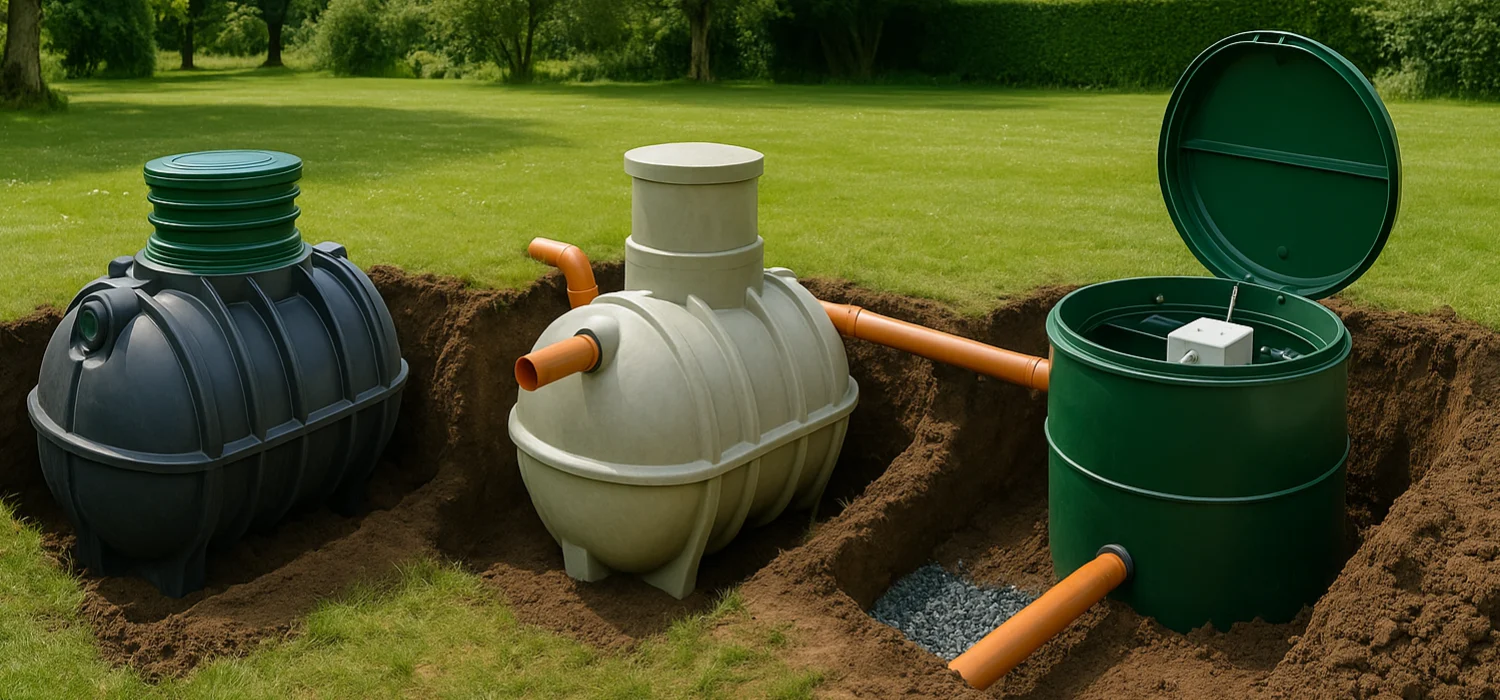
A septic tank is an underground chamber where sewage from the home is collected and broken down by natural bacteria. Wastewater flows into a drainage field (also called a leach field), where it is safely dispersed into the soil.
Why Are Septic Tanks Used?
Septic tanks are common in rural areas without access to public sewer networks. They allow homeowners to manage waste independently, providing a self-contained wastewater treatment solution.
Key Considerations When Buying a House with a Septic Tank
1. Inspect the Septic System
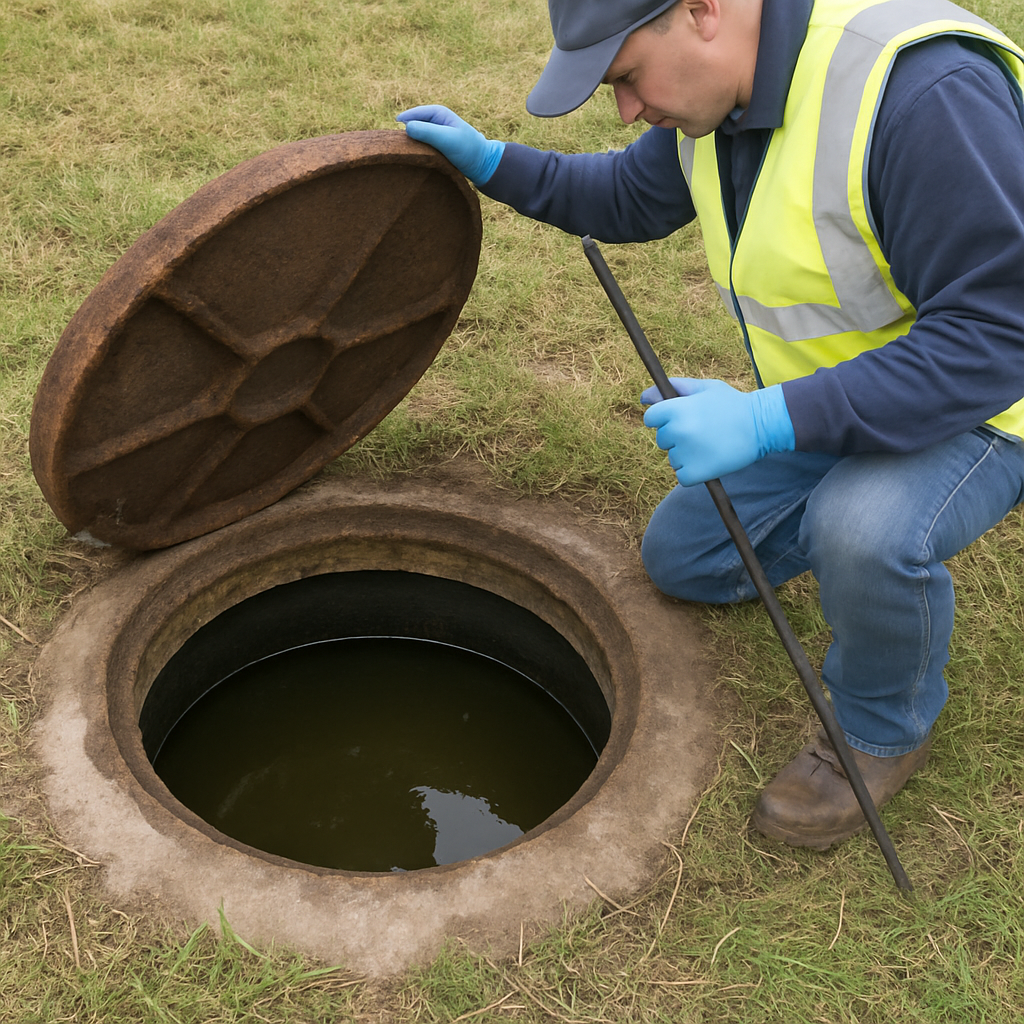
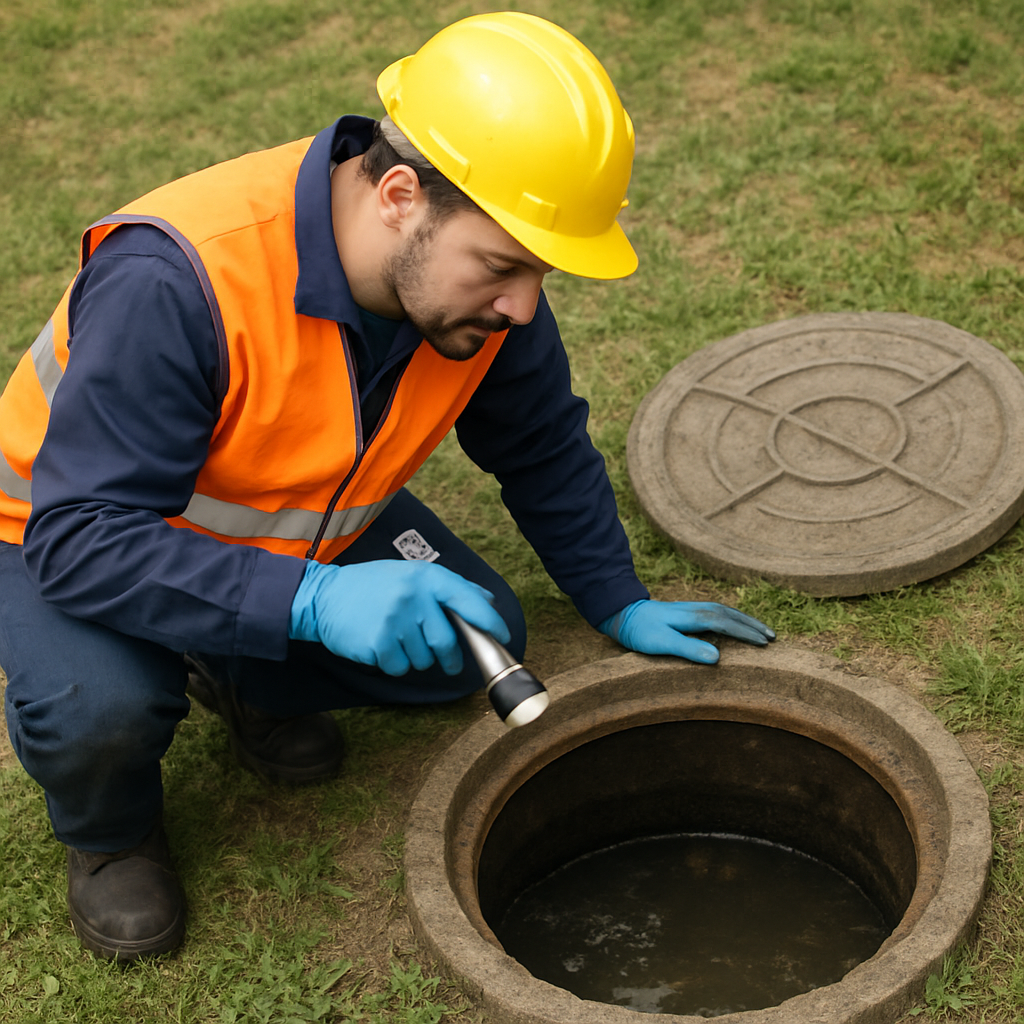
A professional septic inspection is essential. This includes checking the tank, drainage field, pipes, baffles and overall system performance. Inspections can reveal leaks, blockages, poor drainage or system failures. Consider commissioning an independent engineer or a trusted provider such as Alton Facility Services (AFS).
2. Assess the Age of the System
Most septic systems last 20–30 years. Older tanks may need upgrading or replacement. Ask for service records and maintenance history to understand how well the system has been cared for.
3. Check for Compliance with UK Regulations
UK rules (including the 2020 General Binding Rules) govern how septic tanks can discharge effluent. If the system is non-compliant, upgrades may be legally required. Always confirm compliance before committing — especially if the tank discharges into a watercourse.
4. Identify the Type of Septic System
Systems vary — traditional septic tanks, aerobic systems, mound systems, and treatment plants all have different maintenance requirements and costs. Knowing which one the property uses helps plan long-term upkeep.
5. Investigate Shared Septic Systems
Some rural homes share a septic tank with neighbours. If so, request written agreements on:
- Maintenance responsibilities
- Cost sharing
- Access rights
- Dispute resolution
Shared tanks can work fine but they add complexity if communication is poor.
Potential Issues to Watch For
Abandoned Septic Tanks
Abandoned or unused tanks can be dangerous. If present, they must be professionally decommissioned by pumping, cleaning and filling to prevent collapse or contamination. Ensure proper documentation is available.
Non-Compliant Systems
Non-compliant tanks can result in fines or legal notices requiring an upgrade. When buying a house with a septic tank in the UK, always check compliance with current environmental rules.
Old or Failing Systems
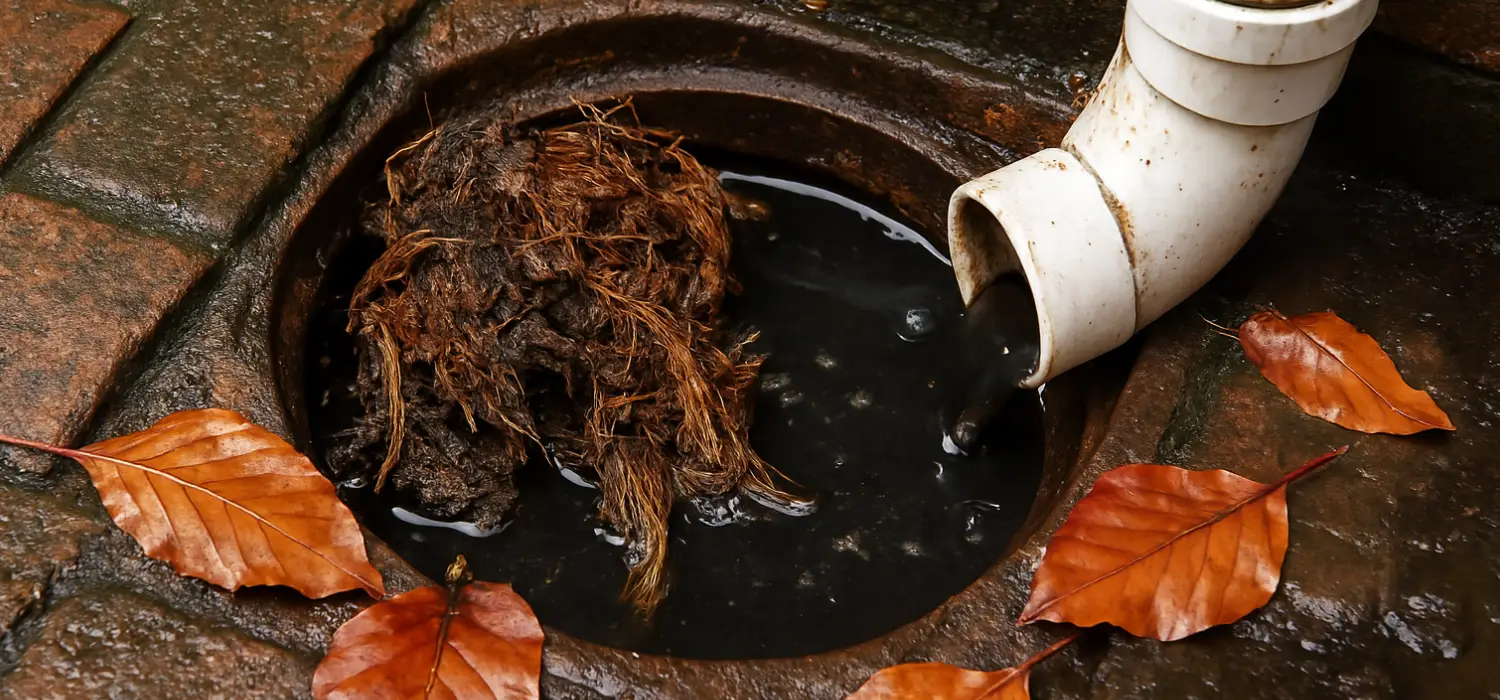
Warning signs include:
- Slow drains
- Sewage smells indoors or outdoors
- Wet patches or standing water near the drain field
- Frequent gurgling sounds
An inspection will reveal whether repairs or replacement are needed.
Septic Tank Maintenance Tips
Regular Pumping and Inspections
Tanks usually need pumping every 3–5 years. Annual inspections help spot leaks, blockages and early signs of failure.
Water Conservation
Reducing water usage extends the life of the system. Spread laundry loads, fix leaks and use water-efficient appliances.
Proper Waste Disposal
Only flush biodegradable waste. Avoid:
- Grease or oils
- Baby wipes
- Chemicals
- Non-biodegradable items
Protect the Drain Field
Never park vehicles or build structures over the drain field. Keep deep-rooted trees away to prevent roots infiltrating pipes.
Conclusion
Buying a house with a septic tank isn’t something to fear — but it does require careful checks. By inspecting the system, confirming compliance, understanding maintenance requirements and identifying any risks, you can protect yourself from unexpected costs. Use this guide as a checklist to ensure a smooth home-buying experience and enjoy the long-term benefits of a well-maintained septic system.