Sump Pump Lifespan: How Long Do Sump Pumps Last & How to Extend Their Life?
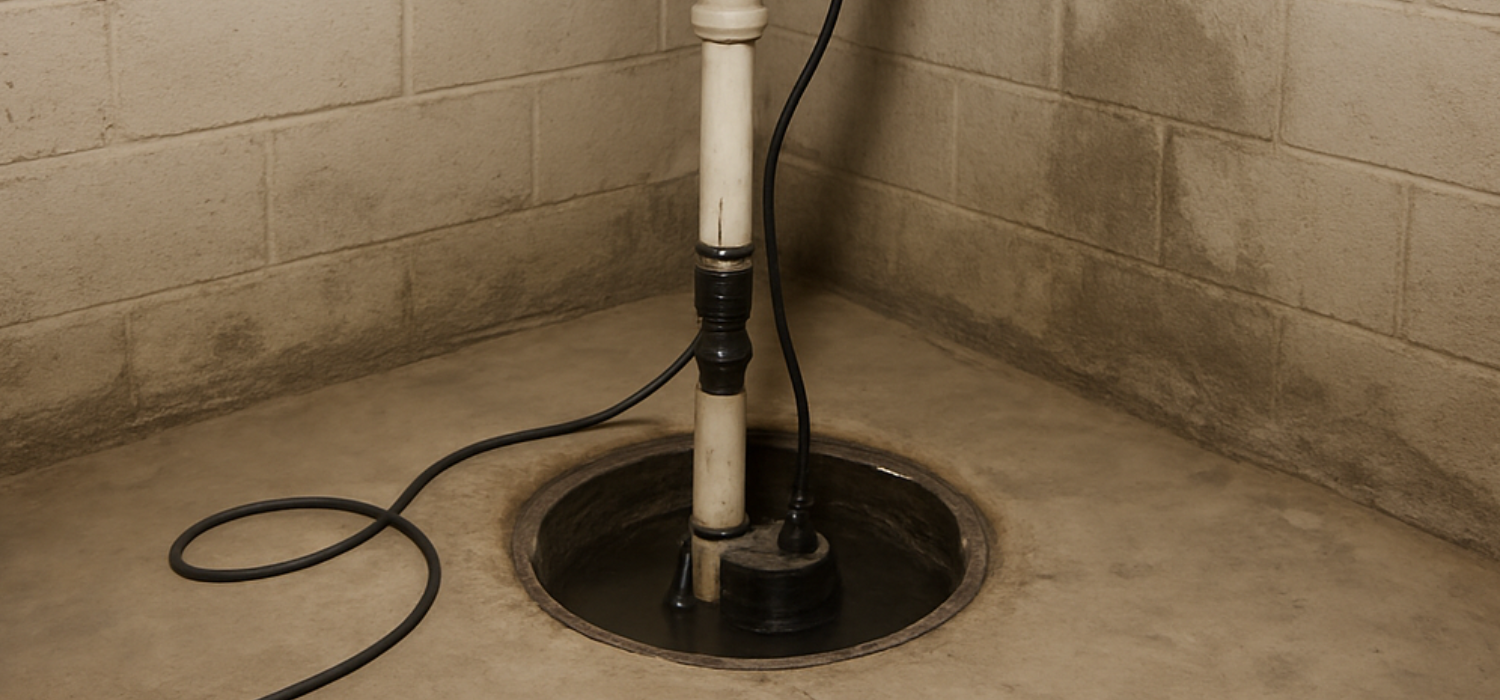
When it comes to protecting your home from water damage, a sump pump is one of the most crucial pieces of equipment you can own. These devices are your home’s first line of defence against flooding, especially in areas prone to heavy rainfall or high water tables. Like all mechanical systems, sump pumps have a limited lifespan. Understanding how long a sump pump lasts, what affects its lifespan and how to maintain it will help you avoid unexpected breakdowns and costly damage.
Summary
Most sump pumps last 7–10 years. Lifespan depends on pump type, usage frequency, installation quality, maintenance and environmental conditions. Regular testing, cleaning and inspections help extend pump life and prevent failures. If your pump is over 10 years old, runs constantly, or needs frequent repairs, consider replacing it. Investing in a quality pump, adding backup power and keeping debris out of the pit greatly improves long-term reliability.
Average Lifespan of a Sump Pump
The average sump pump lifespan typically ranges from 7 to 10 years. Even with proper care, all pumps eventually wear out, especially those that run frequently due to high water tables or heavy rain. Understanding this lifespan helps you plan ahead and avoid emergency failures.
Lifespan of a Submersible Sump Pump
Submersible sump pumps—installed underwater inside the sump pit—usually last 7 to 10 years. They run cooler, operate more quietly and are ideal for finished basements. However, because they remain in constant contact with water, regular maintenance is essential to prevent corrosion and mechanical wear.
Factors Affecting the Lifespan of a Sump Pump
Frequency of Use
Pumps in homes with high water tables, poor drainage or heavy rainfall run more often and wear out faster. Frequent cycling increases the risk of motor burnout and mechanical failure.
Quality of the Pump
Higher-quality pumps made from durable materials often last years longer than cheaper alternatives. Premium pumps also tend to include better warranties and stronger components.
Installation & Maintenance
Poor installation can put strain on the pump and shorten its lifespan. Routine maintenance—cleaning, testing and inspections—helps catch problems early and dramatically improves long-term reliability.
Environmental Conditions
Pumps exposed to debris, dirt and frequent flooding experience more wear. Keeping the pit clean and preventing debris entry helps reduce strain on the pump.
The Importance of Regular Sump Pump Maintenance
Regular sump pump maintenance ensures your system performs when you need it most—during storms and power outages. Proper care reduces breakdowns, extends pump life and improves overall efficiency.
Routine Checks
- Inspect the power source: Ensure the pump is plugged in and consider a battery backup.
- Test the pump regularly: Pour water into the pit to ensure it activates and drains correctly.
- Check the discharge line: Make sure it’s clear, unclogged and directs water away from your home.
Cleaning & Servicing
- Clean the sump pit: Remove dirt, gravel and debris to avoid blockages.
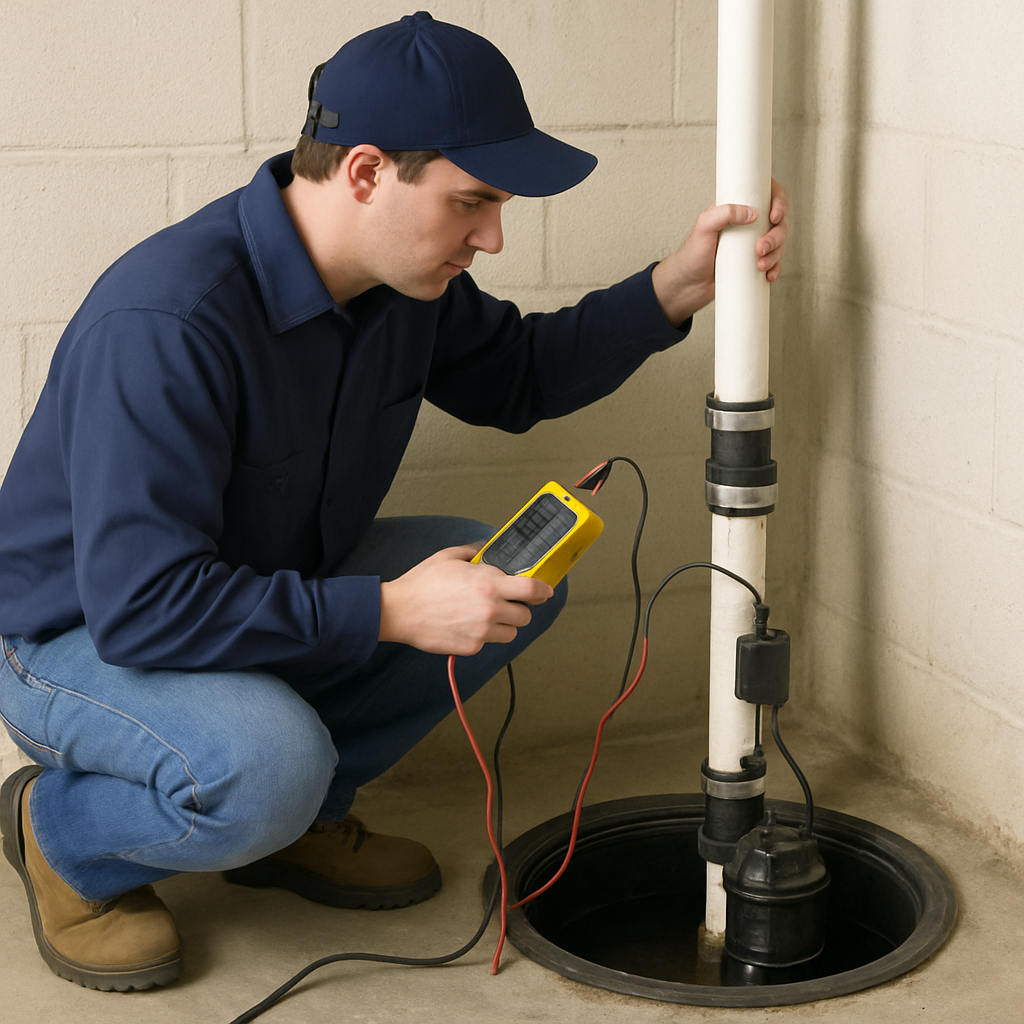
- Inspect components: Look for rust, corrosion or a stuck float switch.
- Professional inspections: Annual servicing helps detect hidden issues early.
Recognising Sump Pump Issues
Pump Fails to Activate
Often caused by power issues, a stuck float switch or a clogged intake. These should be checked immediately.
Pump Runs Continuously
Continuous running suggests a stuck switch or discharge line problem, which can lead to motor burnout.
Unusual Noises
Grinding, rattling or humming often indicates debris or mechanical wear and should be inspected promptly.
When to Replace a Sump Pump
by Jason
- Older than 10 years: Even reliable pumps degrade over time.
- Frequent repairs: Recurring faults indicate underlying mechanical failure.
- Reduced efficiency: Slow pumping or water not clearing fast enough is a major warning sign.
How to Extend the Lifespan of a Sump Pump
- Invest in a high-quality pump: Better materials = longer life.
- Install a backup system: Battery backups or secondary pumps protect during power cuts.
- Keep debris out of the pit: Use a grate or lid to prevent blockages.
- Perform regular maintenance: Testing and inspections reduce the chance of failure.
Conclusion
Understanding how long sump pumps last—and the factors that affect lifespan—helps you protect your home from unexpected flooding. With proper maintenance, high-quality equipment and timely replacement, you can extend pump life and ensure reliable protection for years to come.
Staying proactive with sump pump care offers peace of mind and safeguards your home against costly water damage. A well-maintained sump pump is a long-lasting, dependable defence against flooding.